Oltre il Visibile
Fabbrica di San Pietro | ENI
Rome is the “Eternal City” because its millennial history continues to live in the present. The artistic heritage it safeguards is not only a legacy of the past, but above all a memory entrusted to us and a heritage we have the duty to pass on to the future. In this context, St. Peter’s Basilica represents a unique place in the world, where faith, history and art meet in an inseparable way.
Walking through its spaces means entering a profound cultural and spiritual experience, built over time by the Popes, by artists, and by the millions of faithful and visitors who have made it a universal symbol.
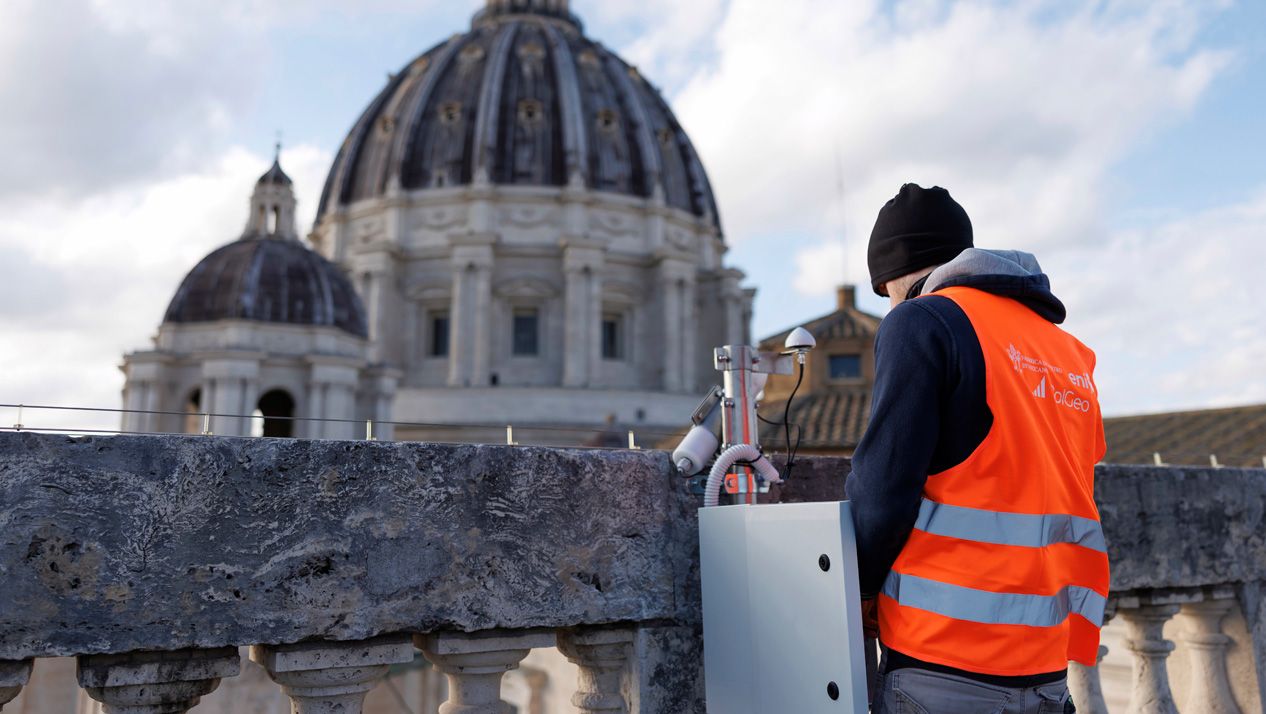
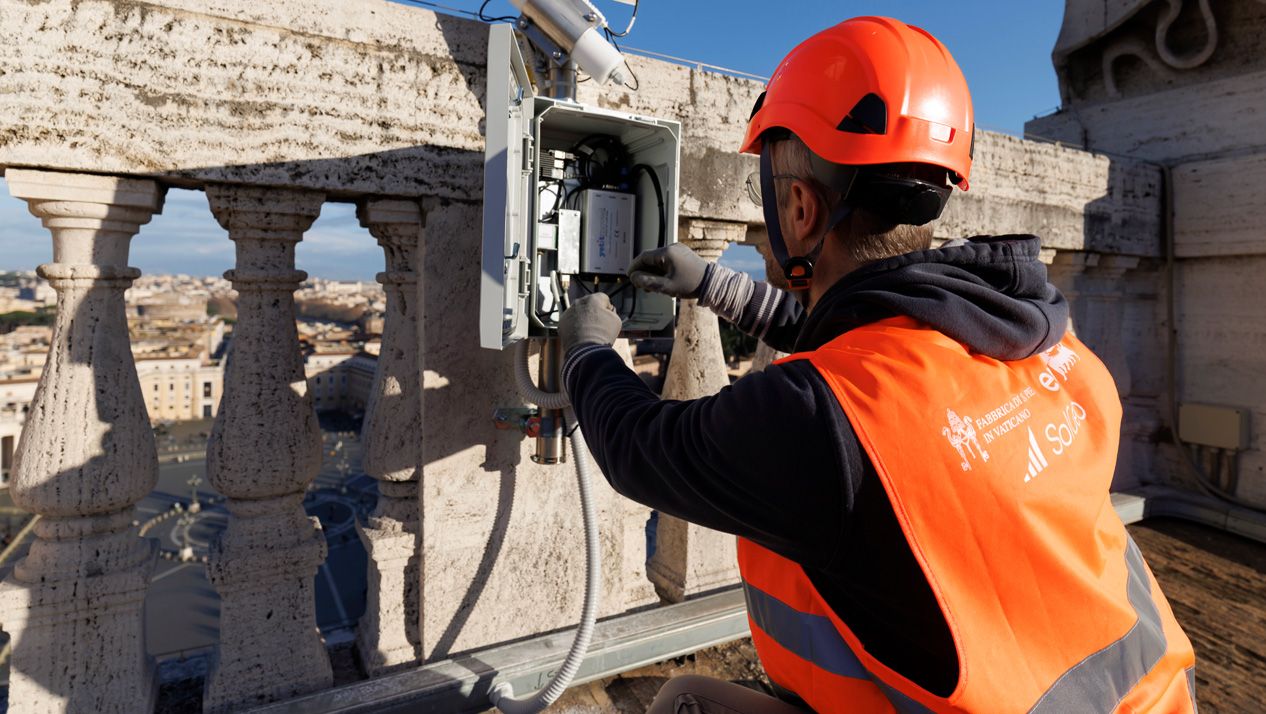
It is from here that the collaboration between Eni and the Fabbrica di San Pietro takes shape, with a clear objective: to thoroughly investigate the Basilica and its Dome in order to preserve their stability and magnificence.
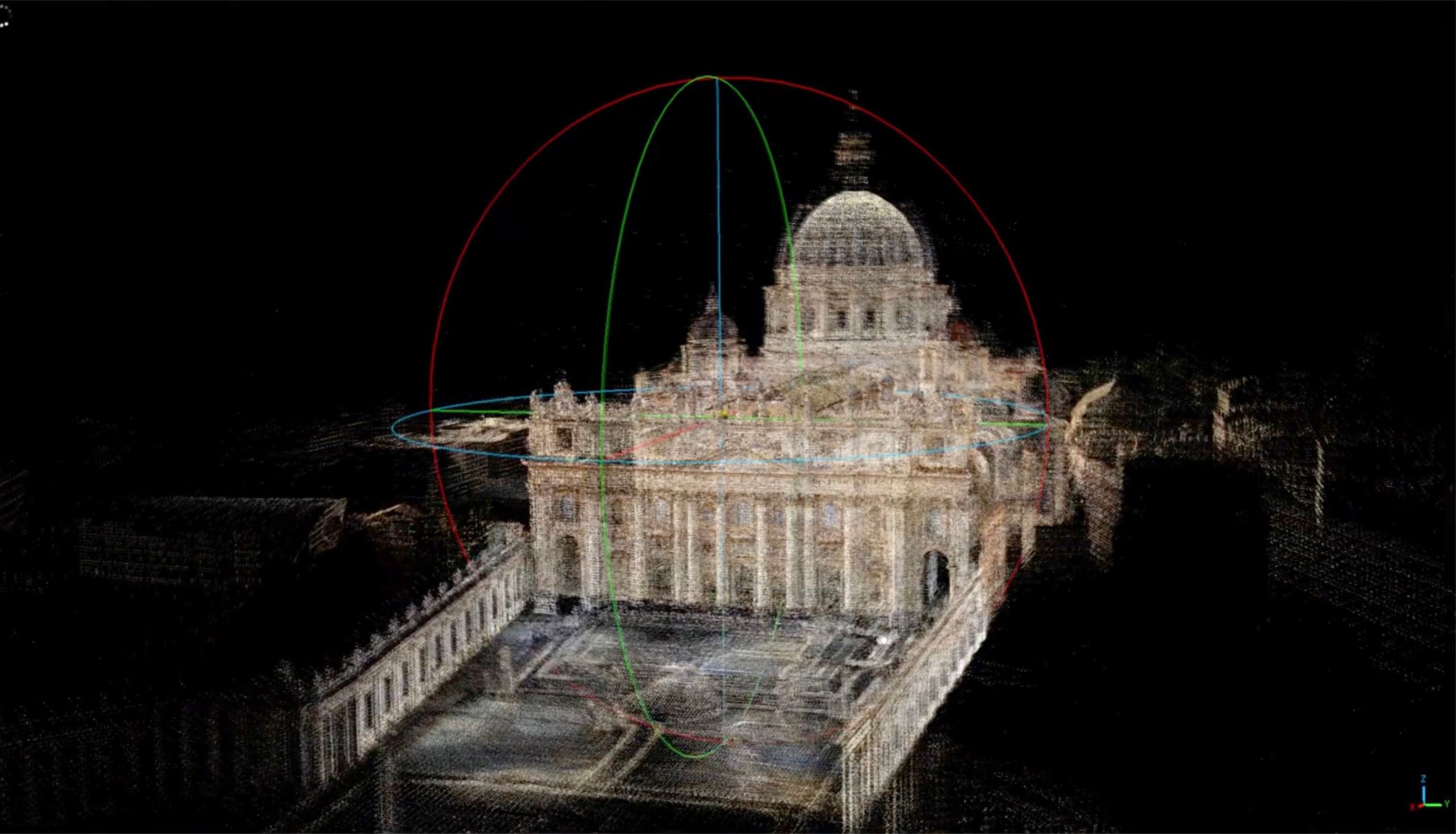
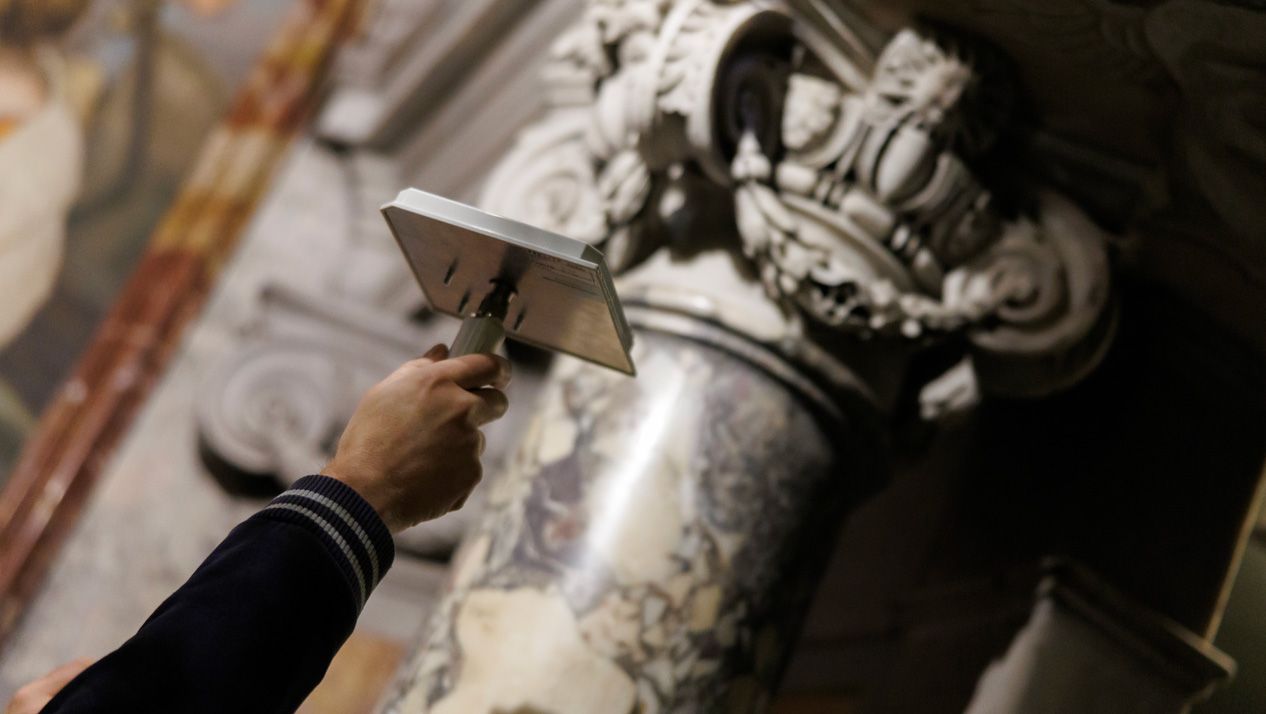
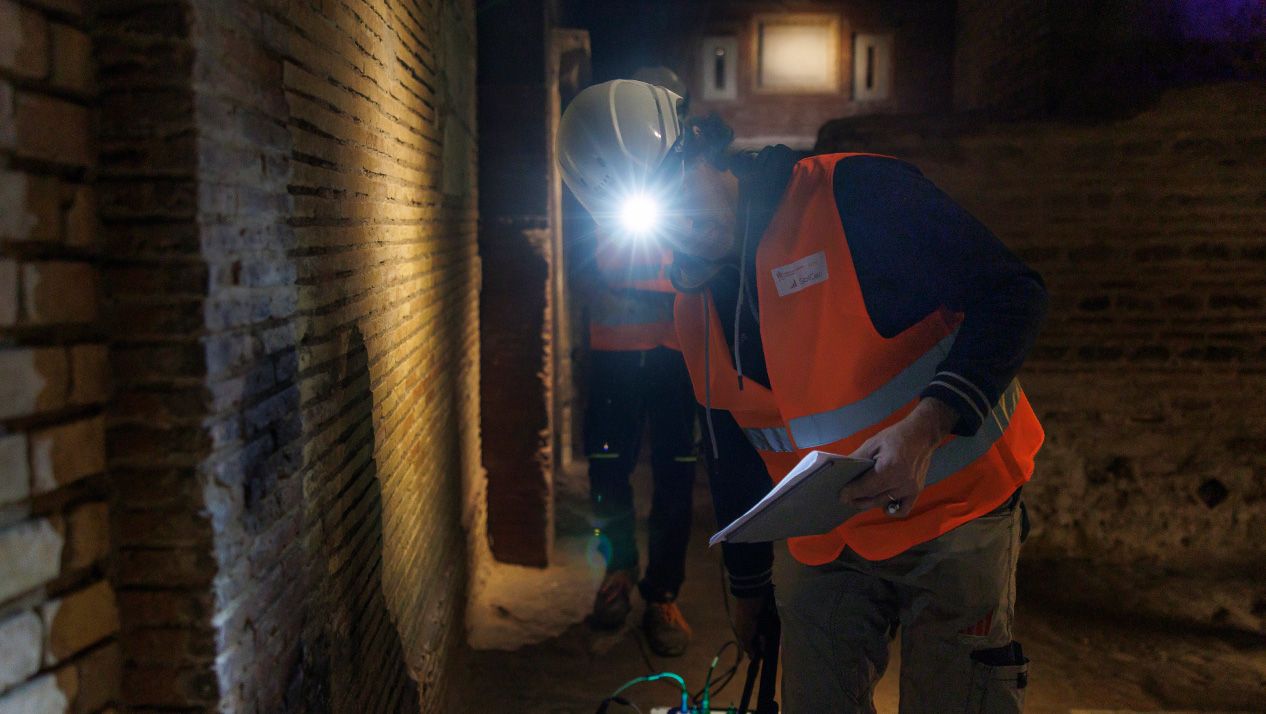
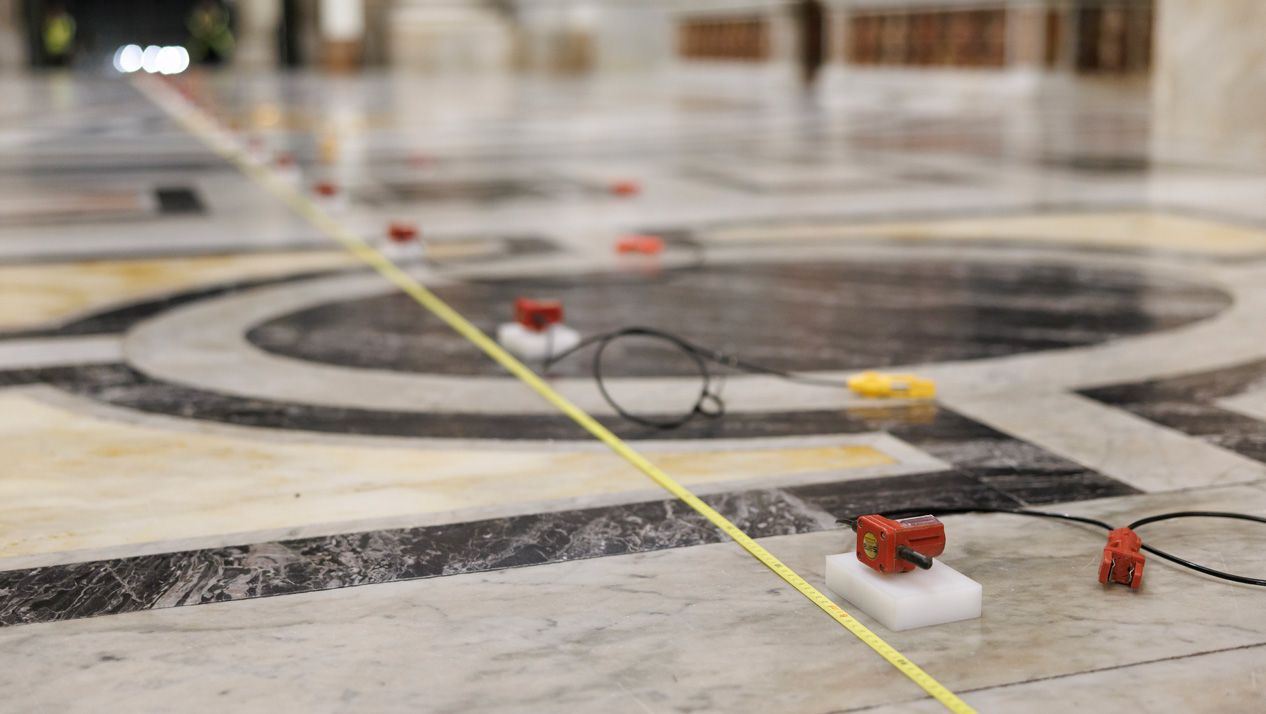
The purpose of the work is not only to “restore” what appears, but to go “beyond the visible”: to study also what cannot be seen, from the underground spaces to the load-bearing structures, in order to understand how time has affected the monument.
In 2023, a study was launched combining sources from the Historical Archive of the Fabbrica (from the 16th to the 18th century) with data from investigations carried out during more recent restorations. This reconstruction brought to light a fundamental aspect of the history of St. Peter’s.
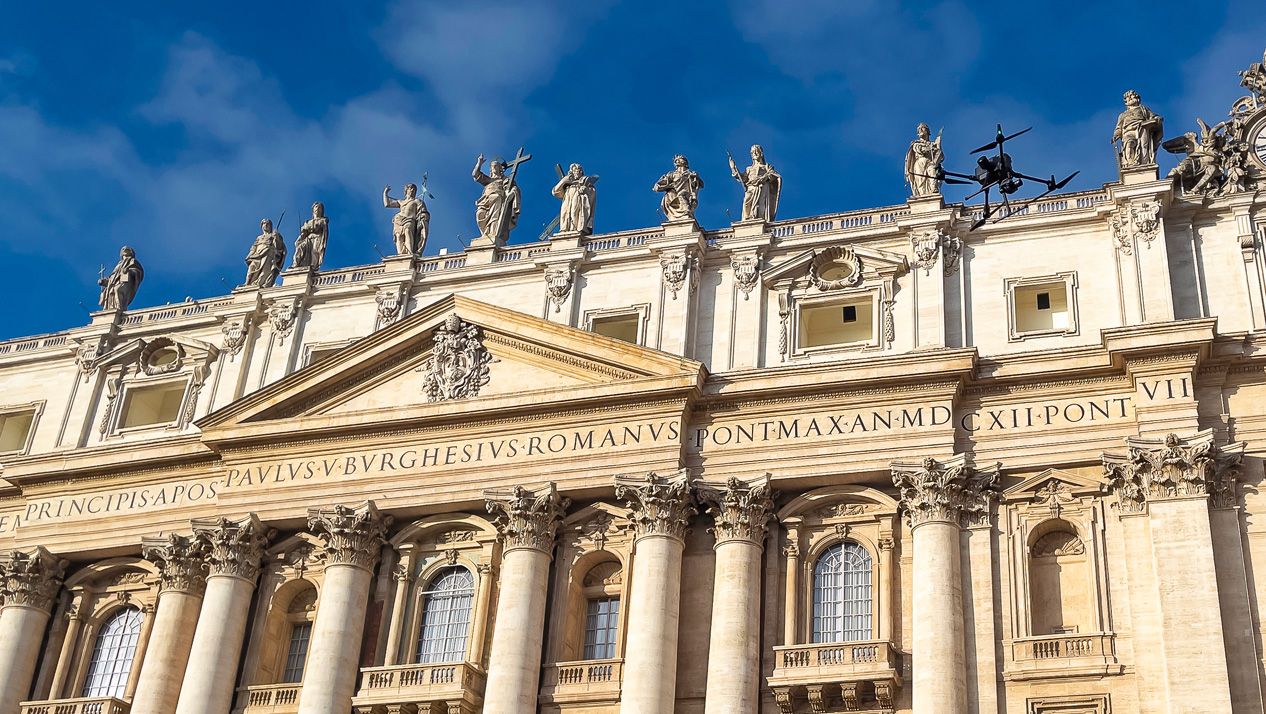
Although grand in scale, the Basilica has always been a complex work also from the point of view of its foundations and supporting ground. As early as the 17th century, Carlo Maderno, author of the façade, was aware of the challenges of the area and intervened with solutions that were cutting-edge for the time, conscious that the durability of the monument also depended on what lay beneath the surface. Michelangelo’s Dome as well, an emblem of Renaissance architecture, has been observed and studied for centuries.
In the 18th century, Pope Benedict XIV entrusted analyses to Luigi Vanvitelli and Giovanni Poleni, who identified the presence of an extensive cracking pattern.
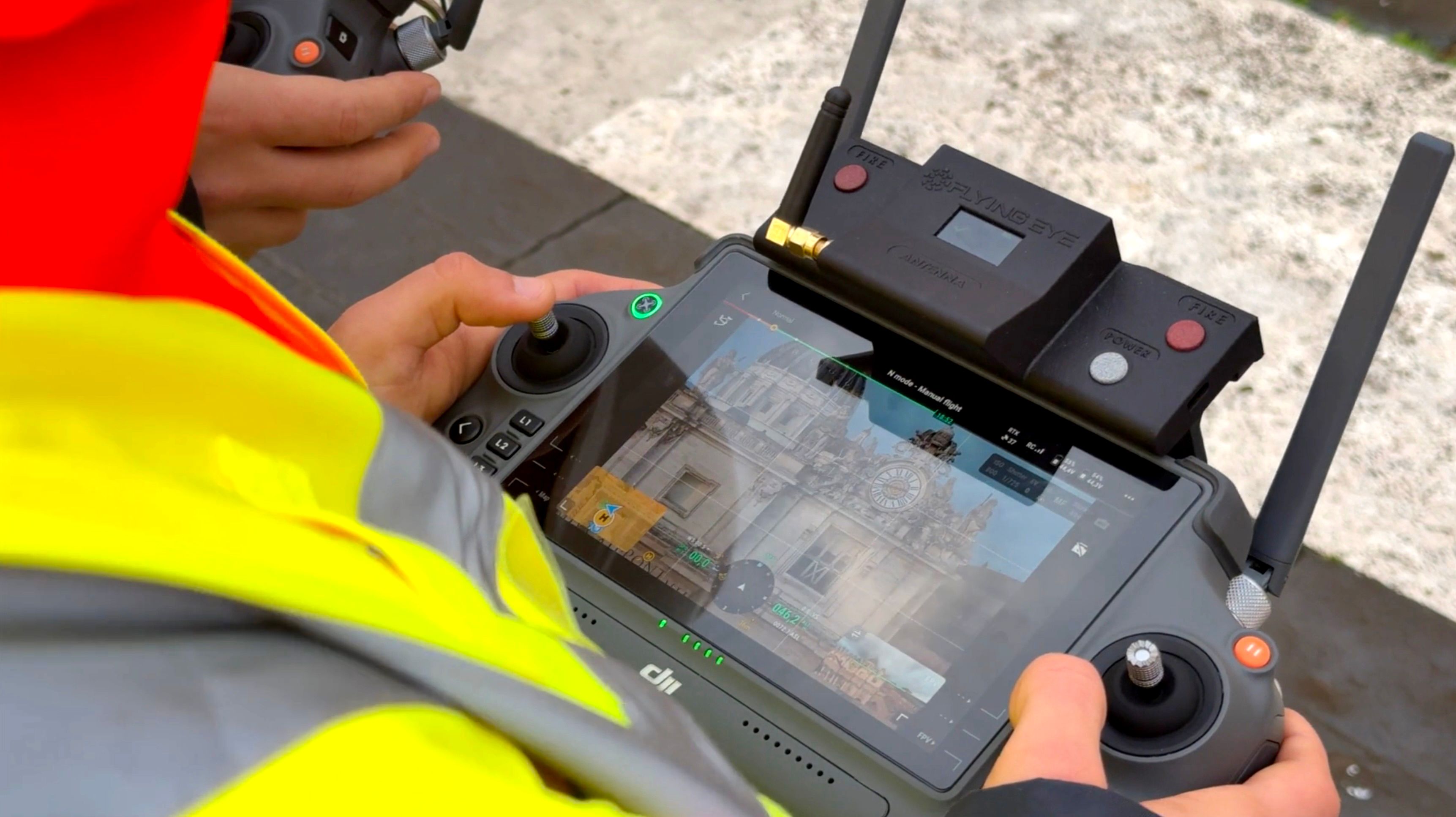
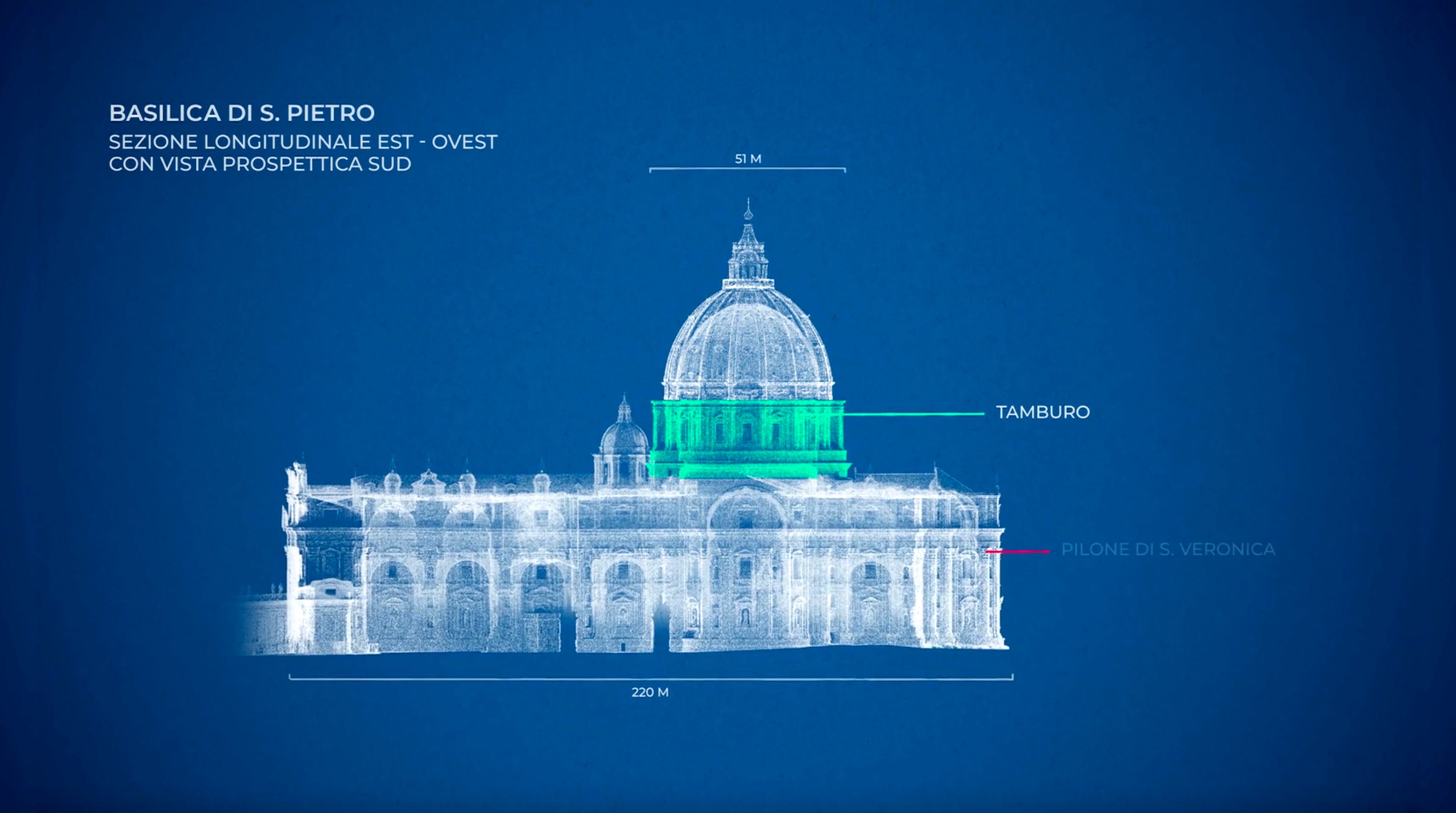
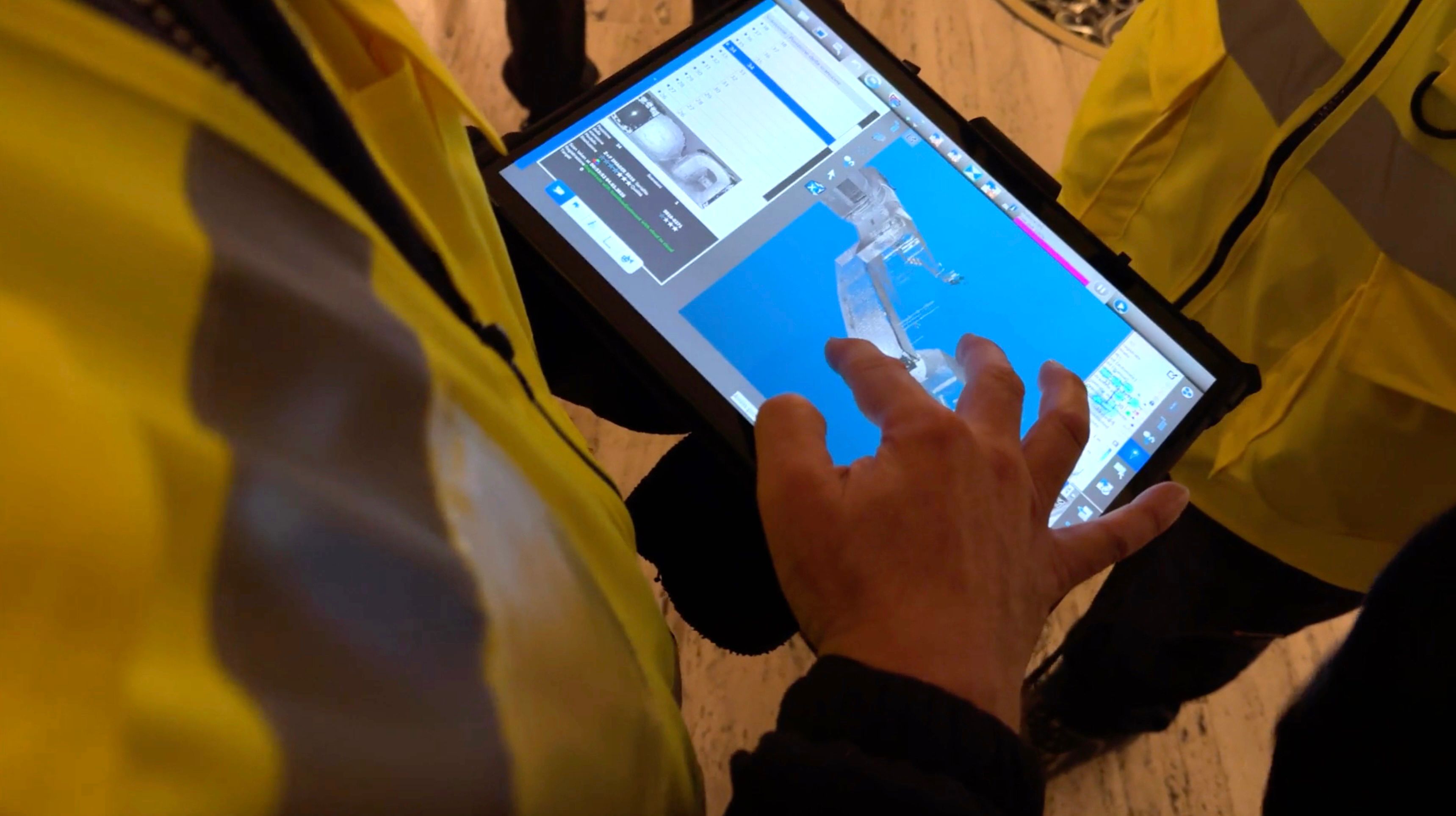
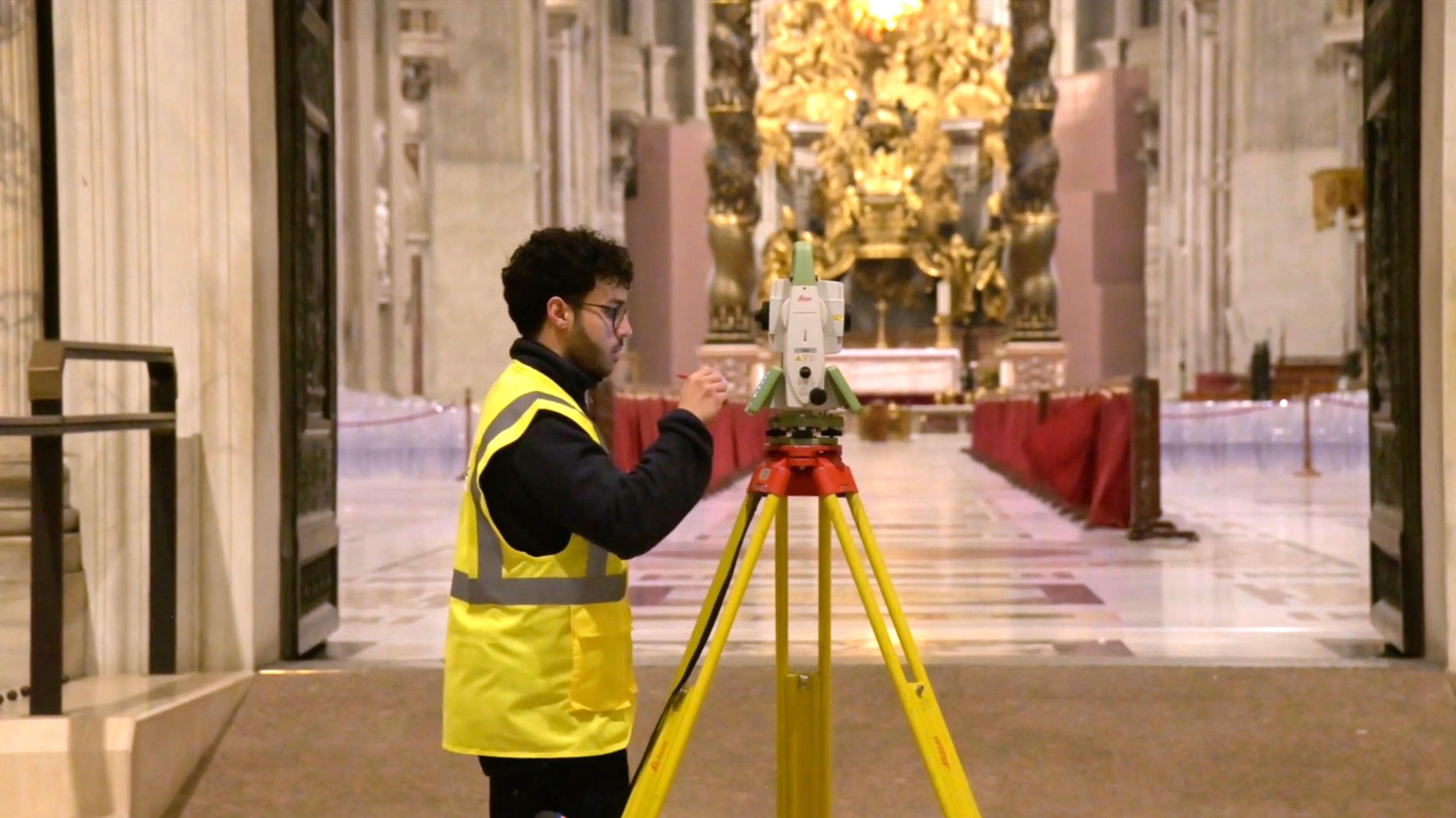
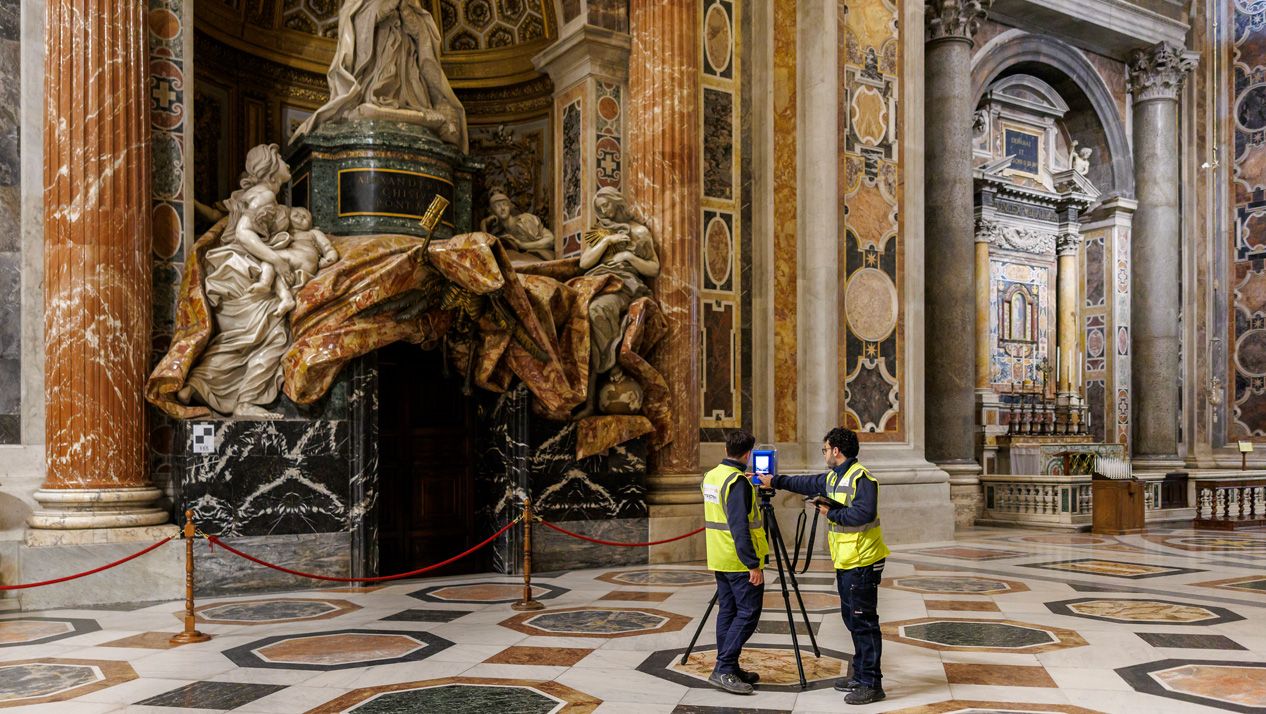
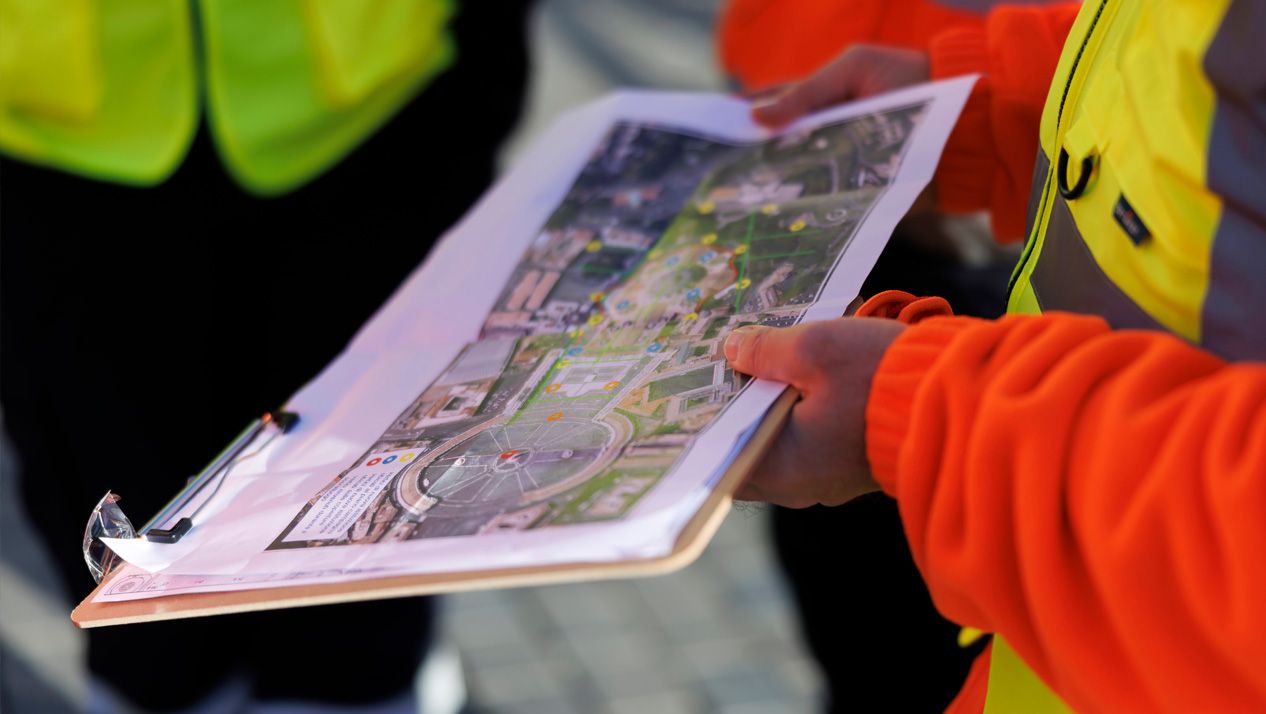
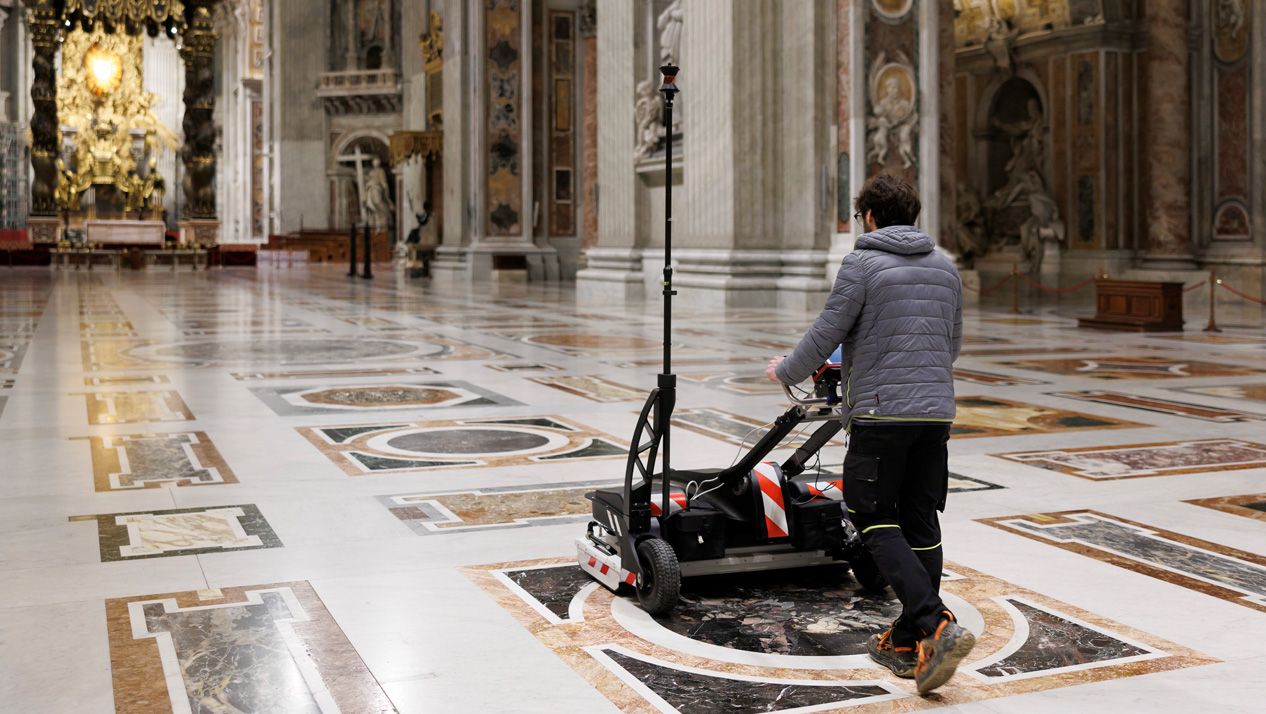
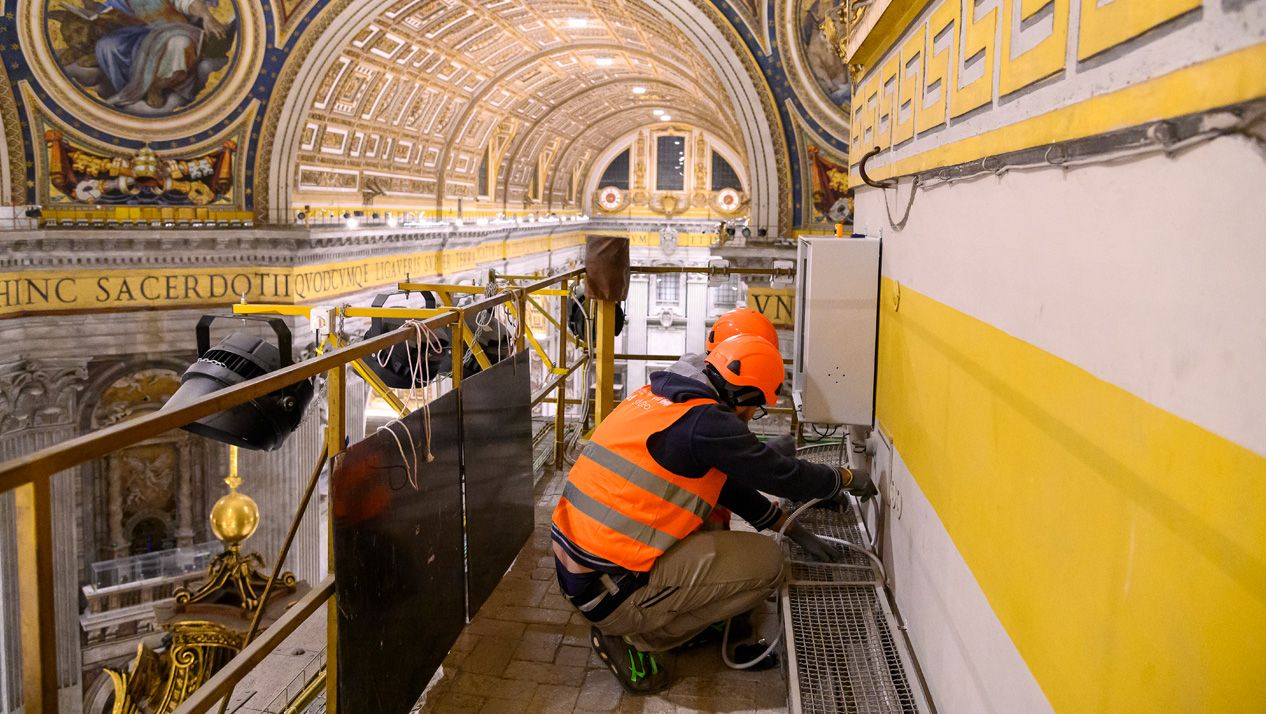
The 2025 technical sponsorship project has taken a further step, adopting a comprehensive vision of the entire monumental complex: from the façade to the internal piers, from the Drum of the Dome to the underground areas such as the Vatican Grottoes and the Necropolis. In less than two months, thanks to coordinated work carried out with full respect for religious functions and visitor flows, extensive surveys were conducted across a vast area.
The most significant cultural outcome is the integrated three-dimensional representation of the Basilica, bringing together architecture, subsoil and continuous monitoring. This tool is not merely a technical exercise, but a new form of protection: it makes it possible to read St. Peter’s as a living organism, fragile and magnificent, to be safeguarded responsibly so that it may continue to speak to the world in the centuries to come.






Copyright © 2026 Basilica Papale di San Pietro - Photos: © Fabbrica di San Pietro e Vatican Media - All Rights Reserved.