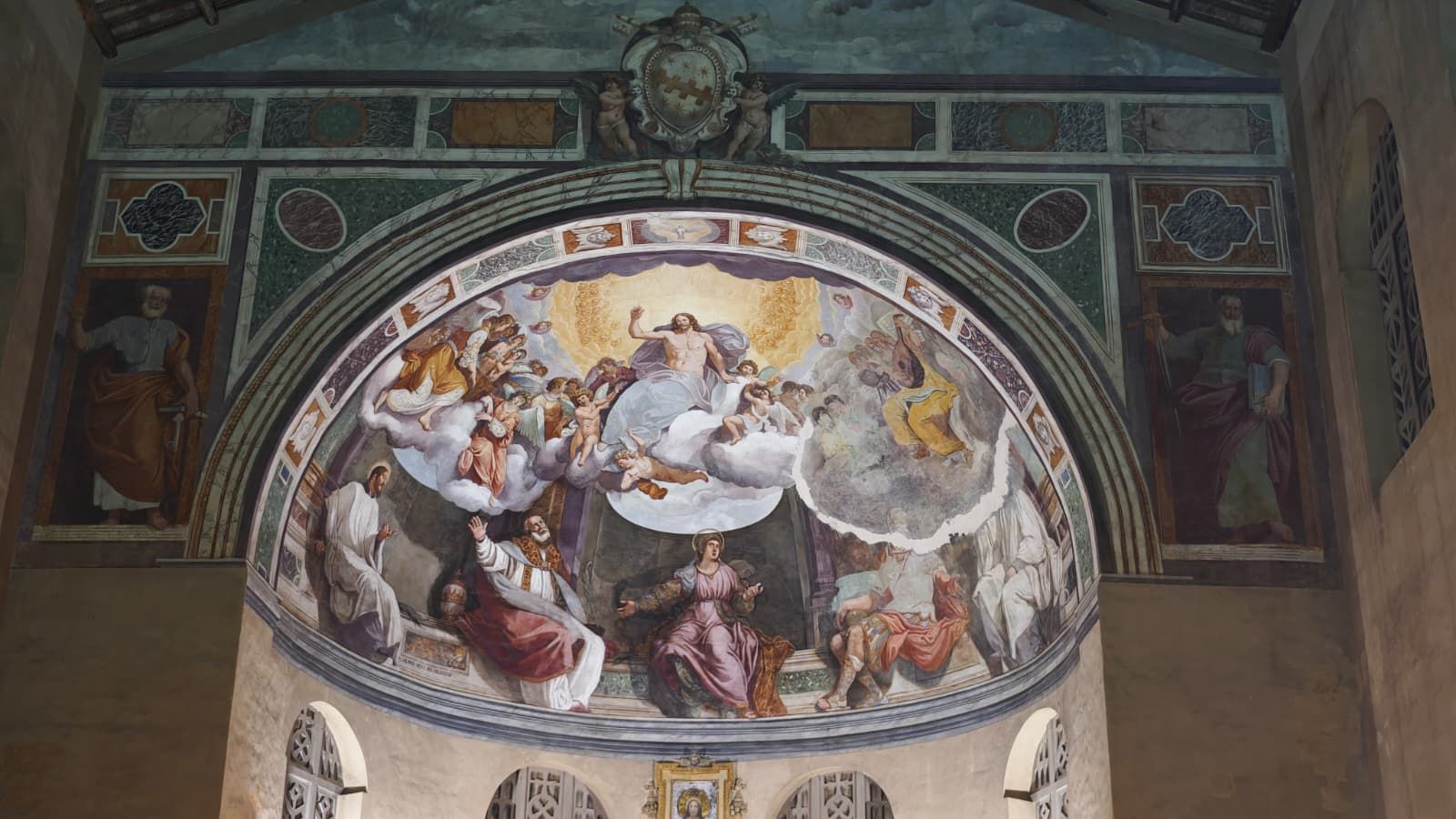
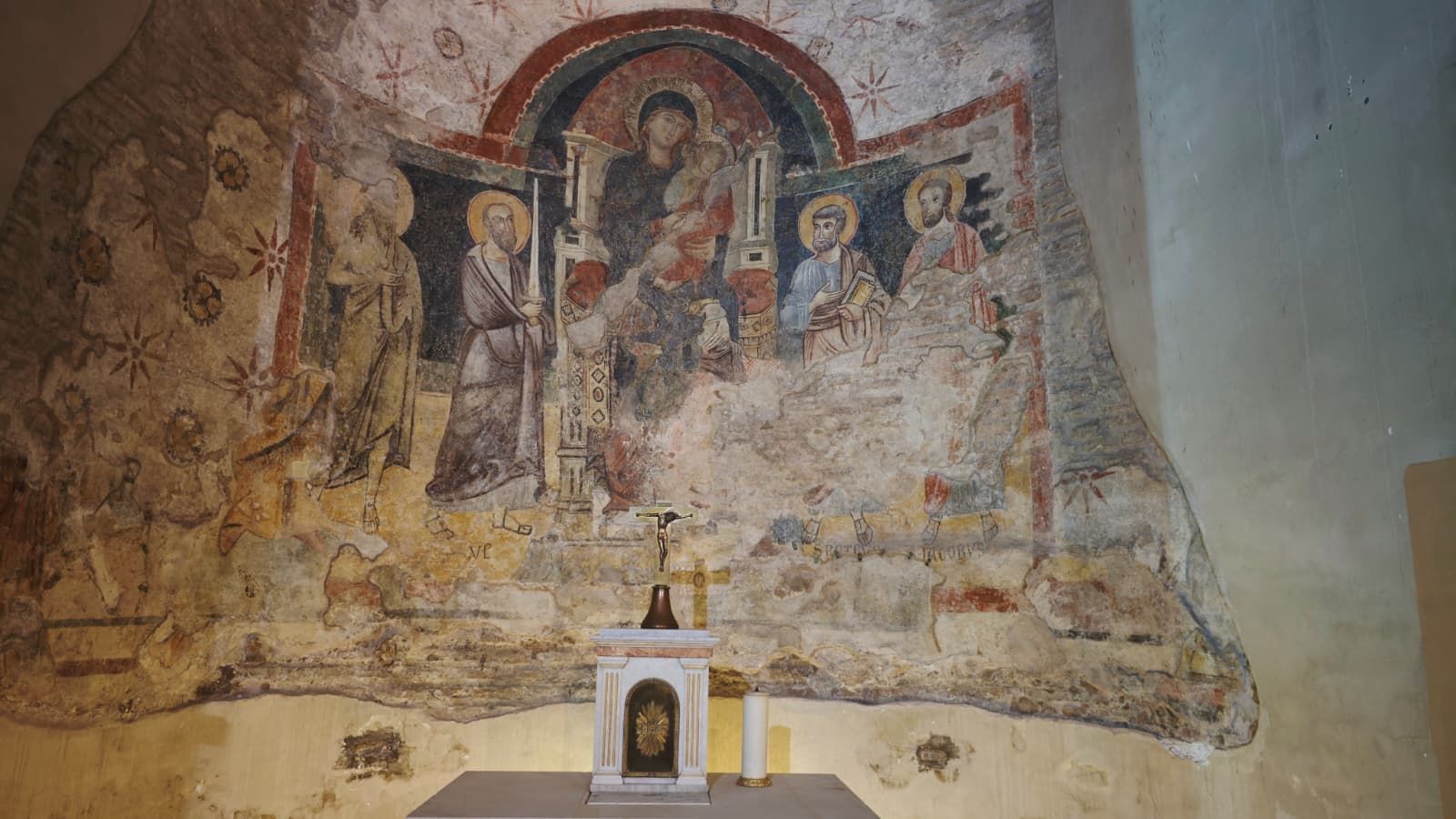
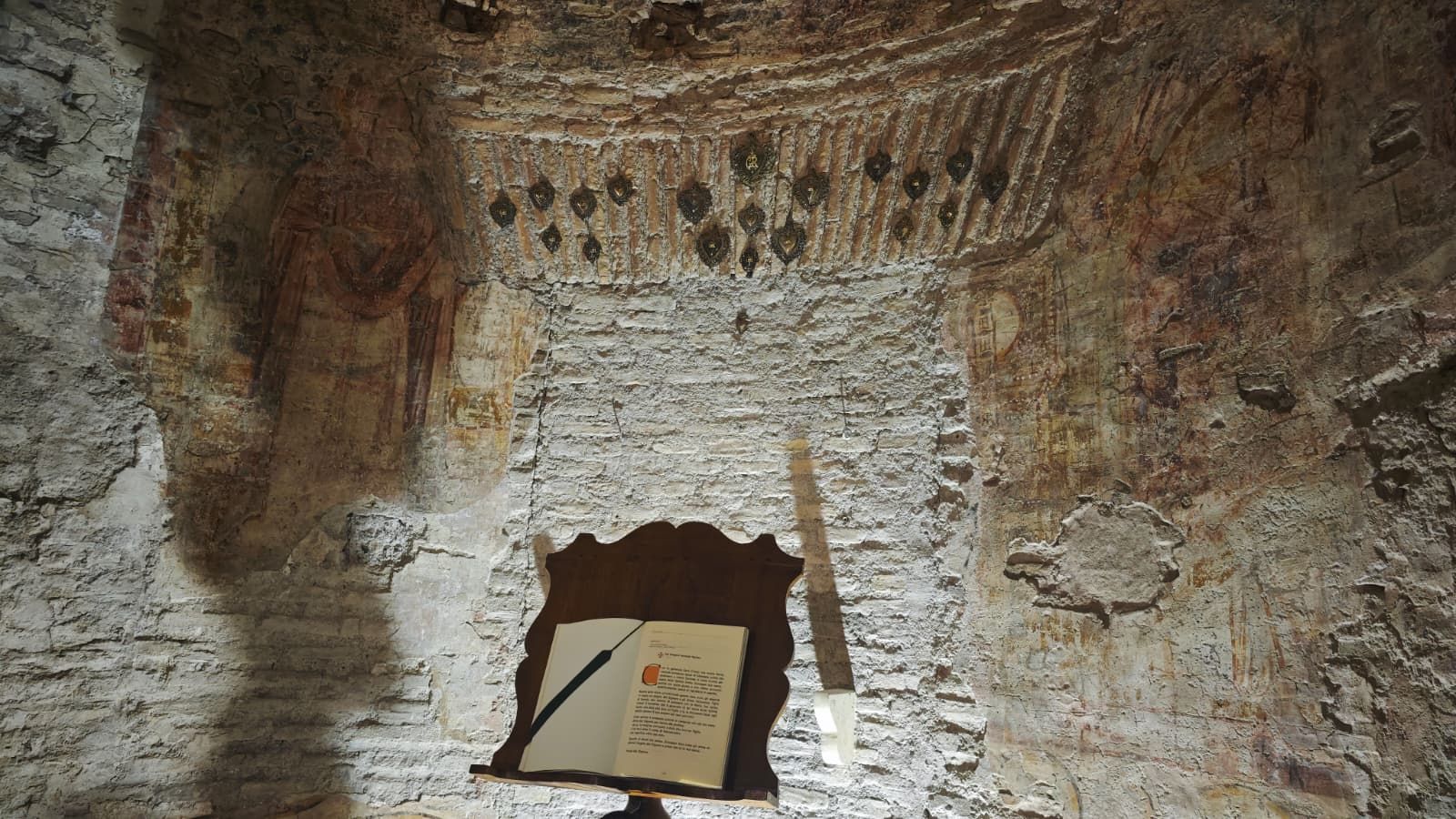
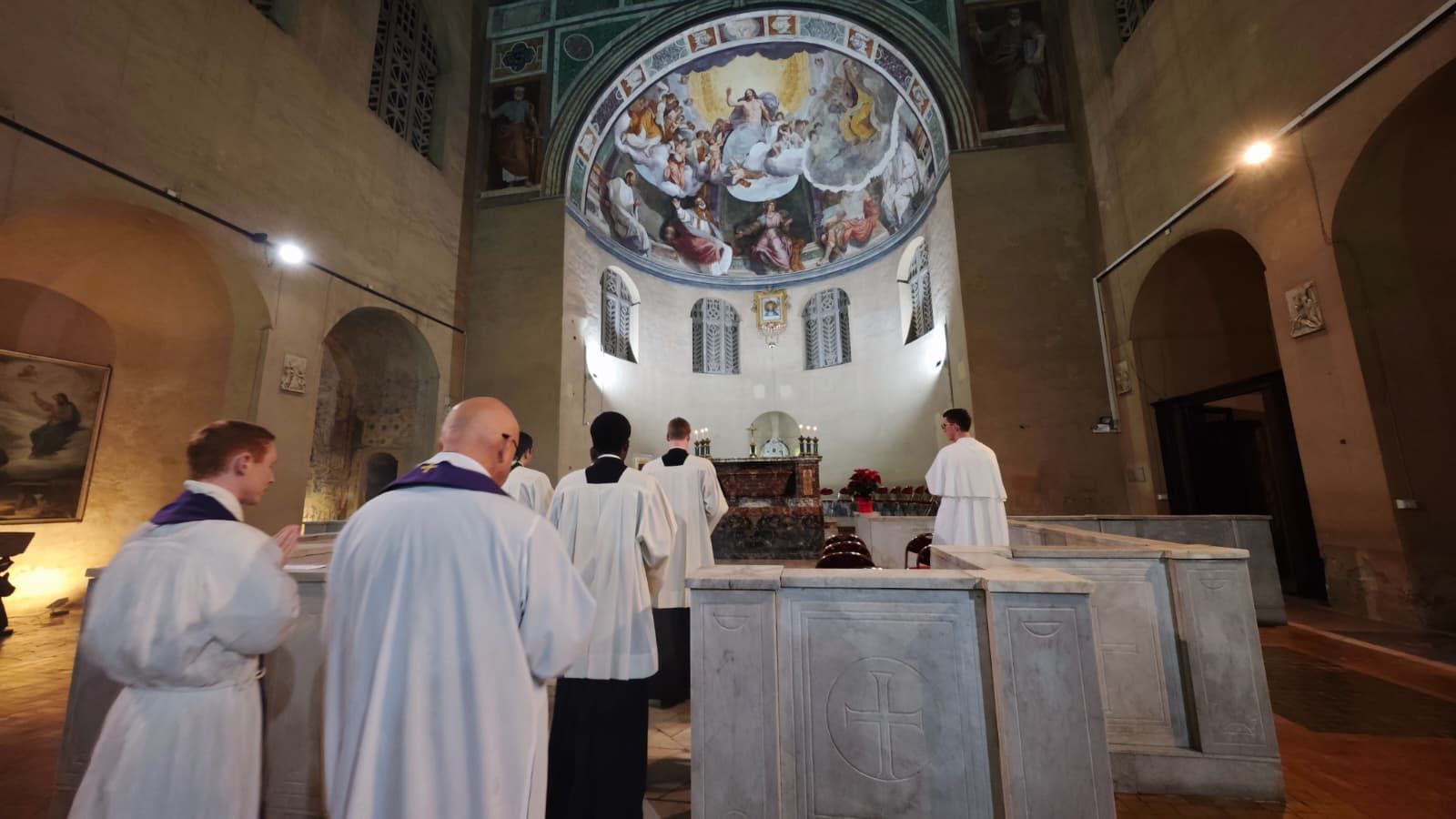
Following extensive restoration works carried out by the Special Superintendency of Rome of the Italian Ministry of Culture, the ancient Basilica of Saint Balbina has been returned to liturgical use and reopened to visitors.
The works that made it possible to restore the functionality of the sacred building began in 2024 and were completed at the end of this Jubilee Year. The interventions mainly concerned the roofing system, following the failure of a strut in one of the roof trusses.
The Basilica of Saint Balbina, which since the 16th century under Pope Pius IV has been one of the subsidiary churches of the Chapter of Saint Peter in the Vatican, stands on the north-eastern slope of the Aventine Hill, between the Circus Maximus and the Baths of Caracalla. It was built on the foundations of the house of Lucius Fabius Cilo, consul of Rome in 202 and later Praefectus Urbis the following year, during the reign of Emperor Septimius Severus. In the time of Pope Urban V (14th century), a monastery dedicated to Saints Savior and Balbina was annexed to the church. In the mid-19th century, the complex was used for the reception and Christian formation of women formerly engaged in prostitution who had since repented.
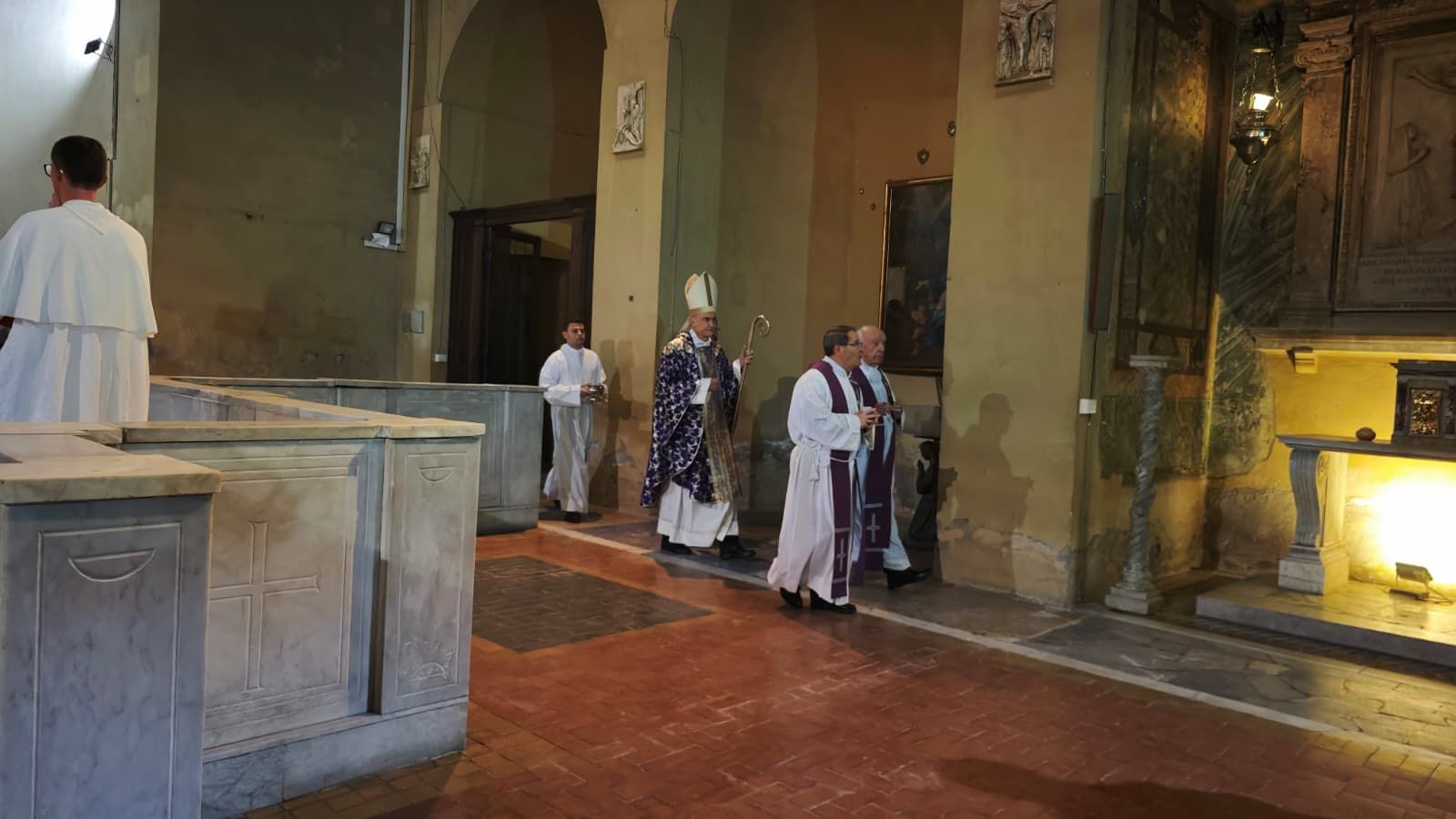
The event, of considerable artistic and religious significance, was marked by a ceremony that opened with an introductory greeting by Monsignor Calogero La Piana, Vicar of the Archpriest of the Papal Basilica of Saint Peter in the Vatican. This was followed by addresses from Daniela Porro, Special Superintendent of Rome, and Monsignor Daniele Libanori, Rector of the Basilica of Saint Balbina. The Holy Mass celebrated by His Eminence Cardinal Mauro Gambetti, Archpriest of the Papal Basilica of Saint Peter and Vicar General of His Holiness for Vatican City, sealed a moment of profound importance for the city and for the faithful.







Copyright © 2026 Basilica Papale di San Pietro - Photos: © Fabbrica di San Pietro e Vatican Media - All Rights Reserved.