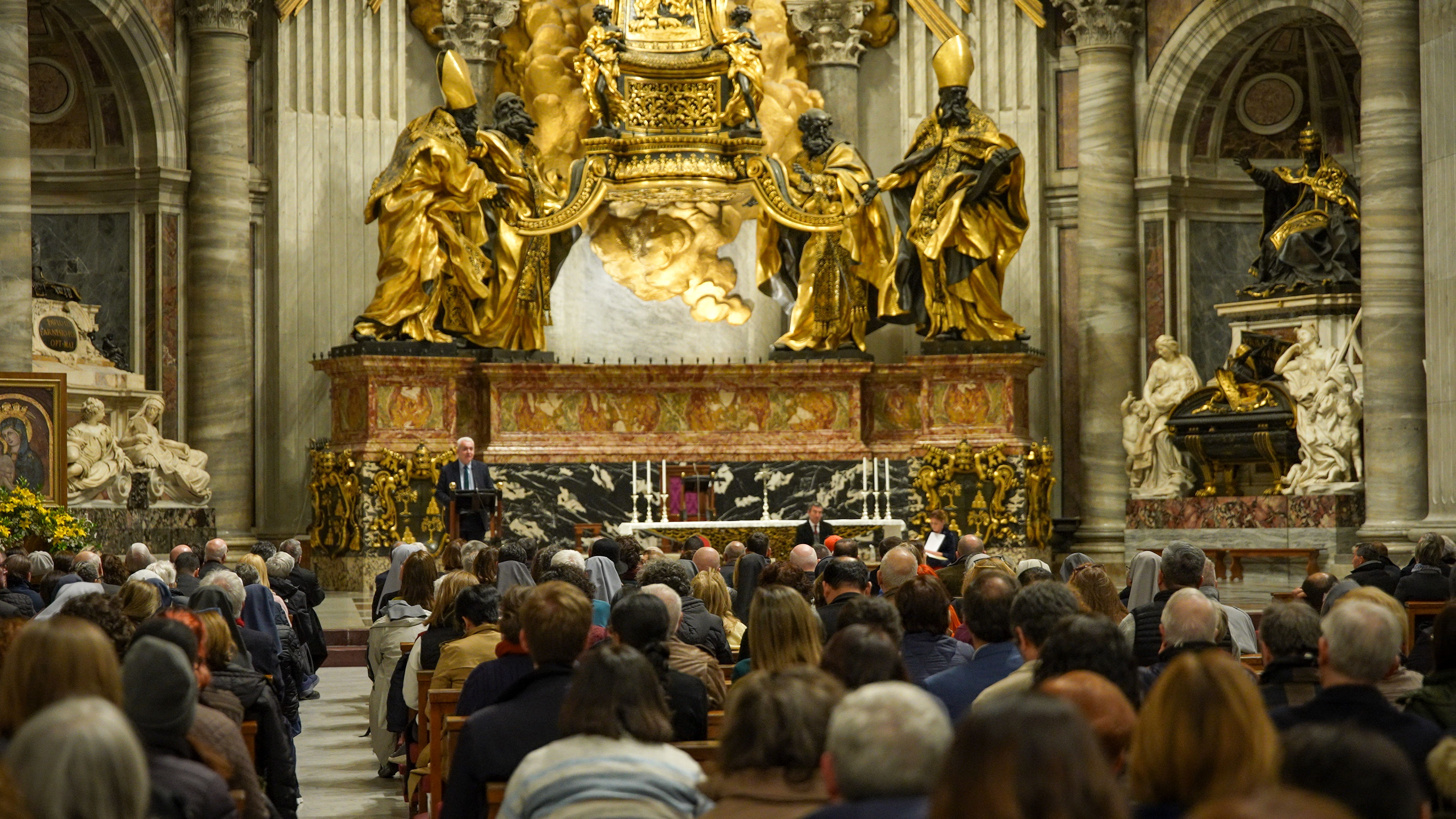
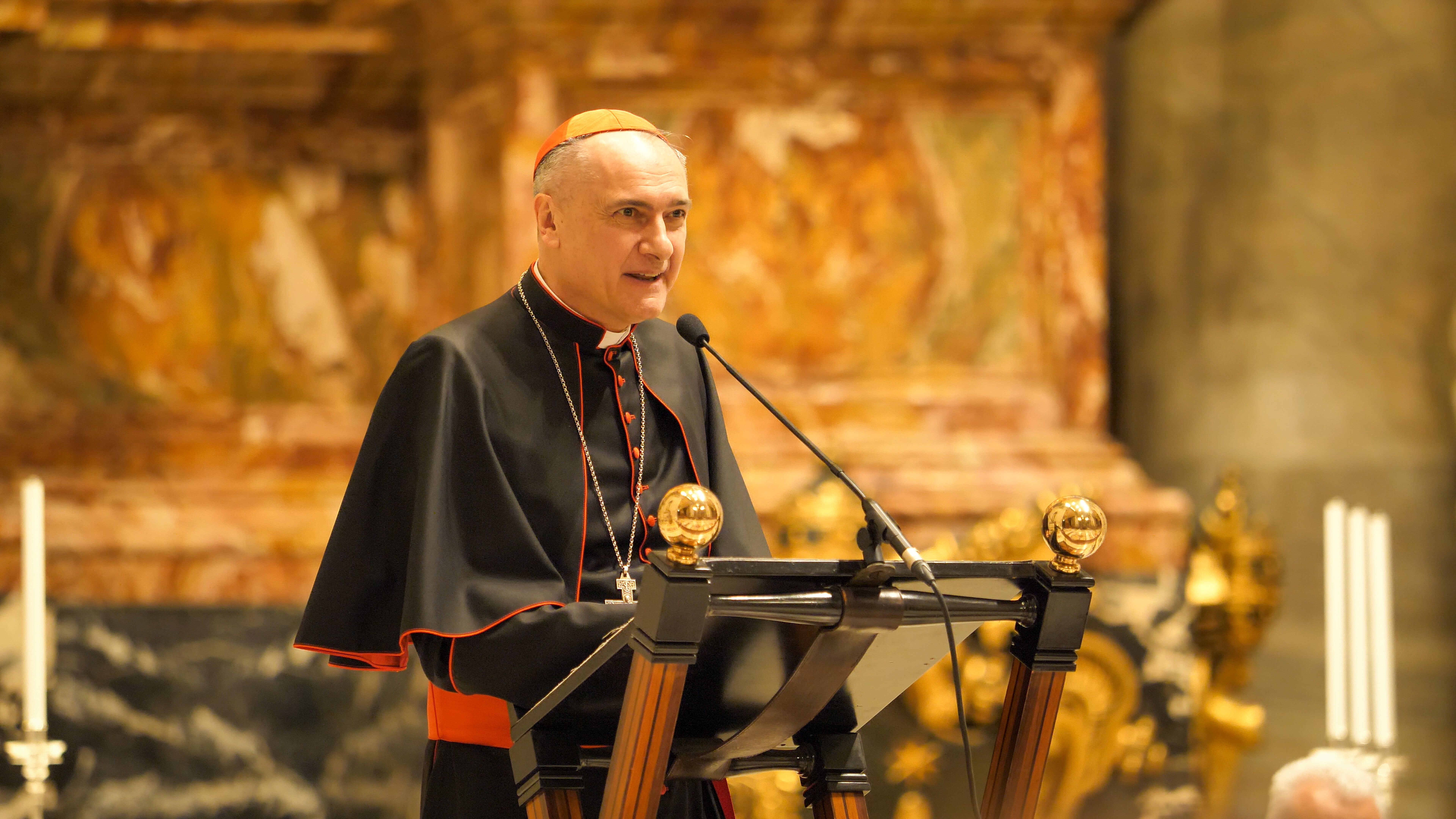
The Fabbrica di San Pietro inaugurated the series of meetings marking the IV centenary of the dedication of the Vatican Basilica. At the heart of the first event was the architectural and artistic heritage of the mother church of Christianity. Msgr. Orazio Pepe said: here, men and women of every age seek the roots of faith.
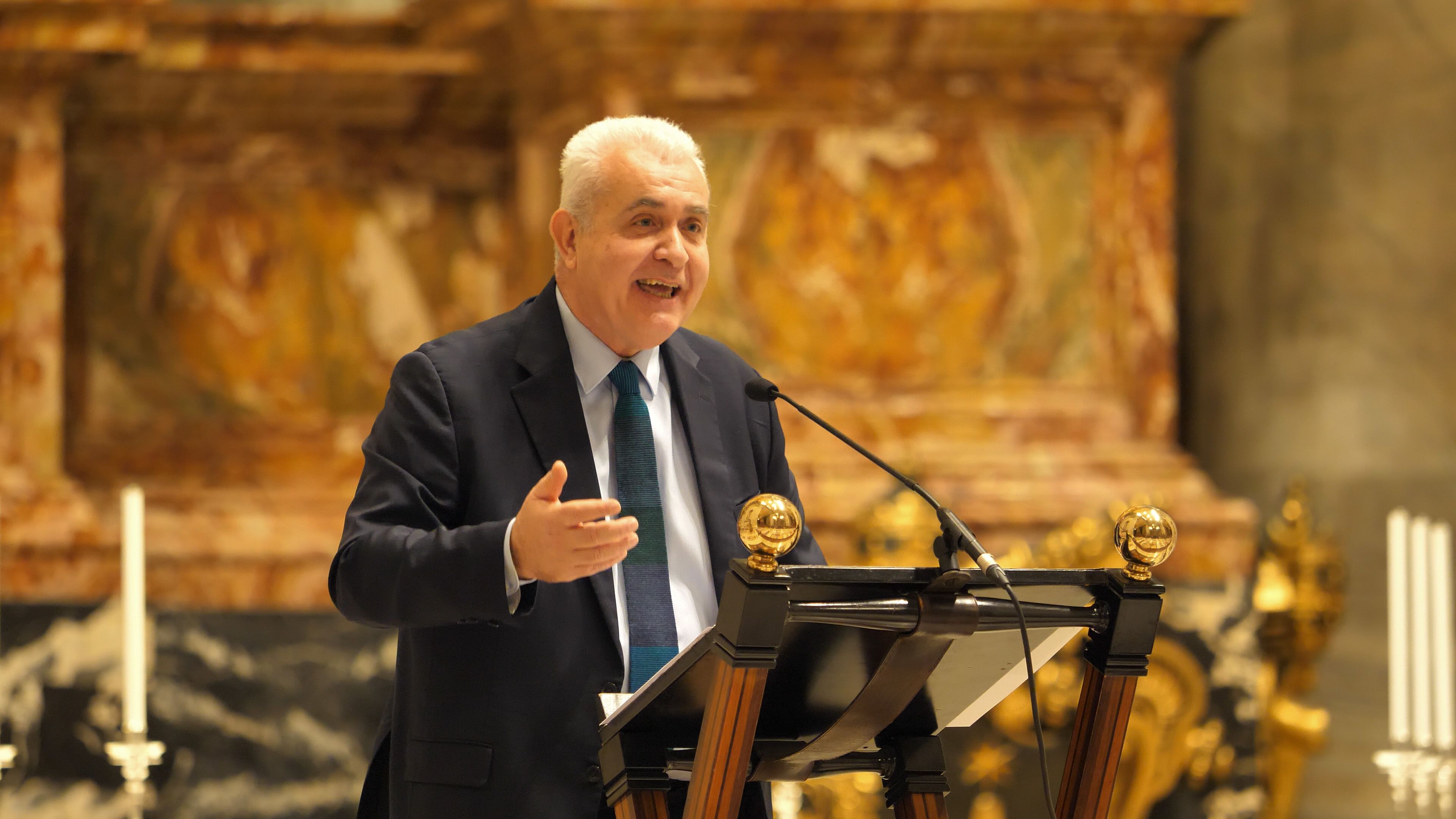
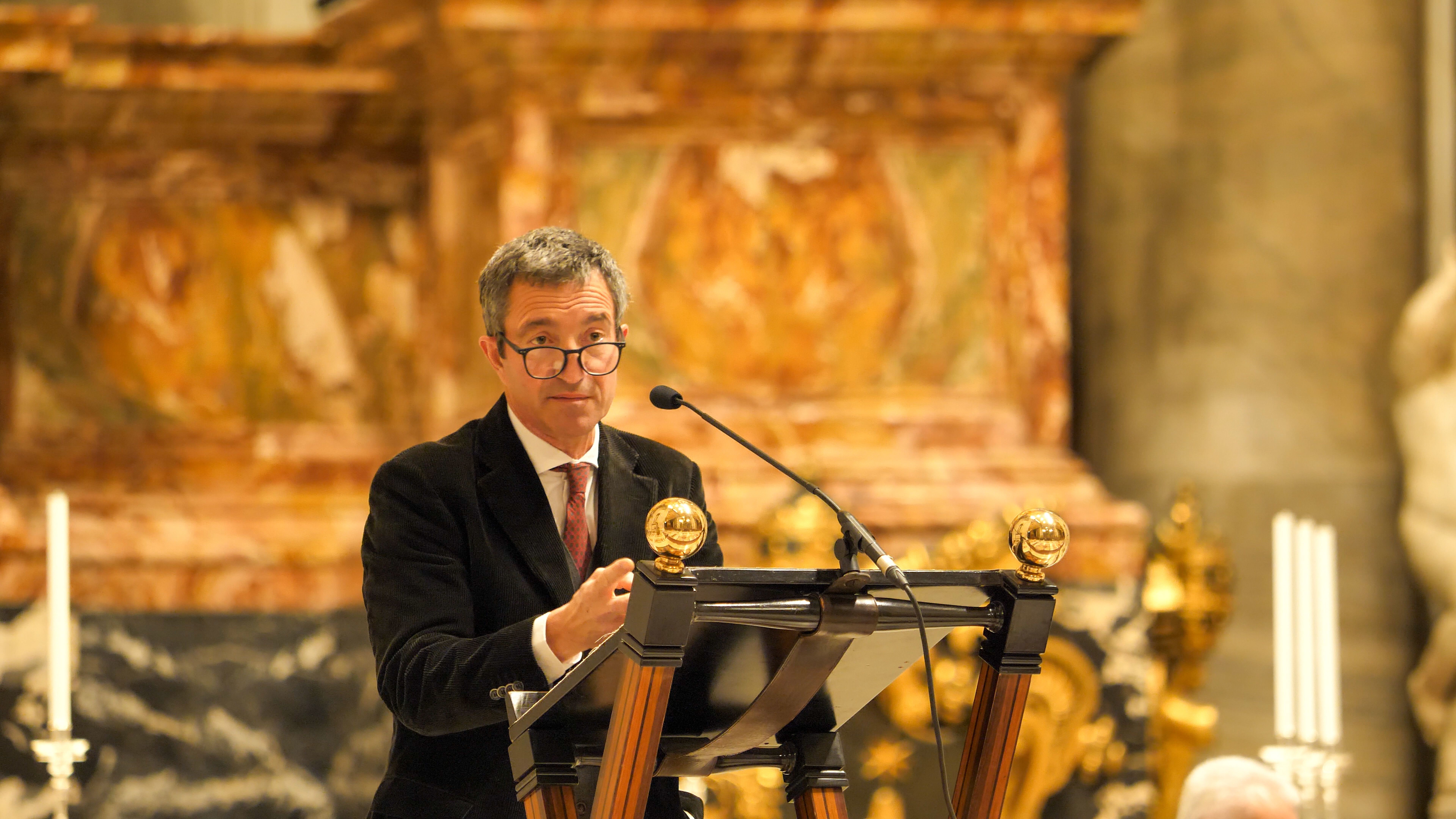
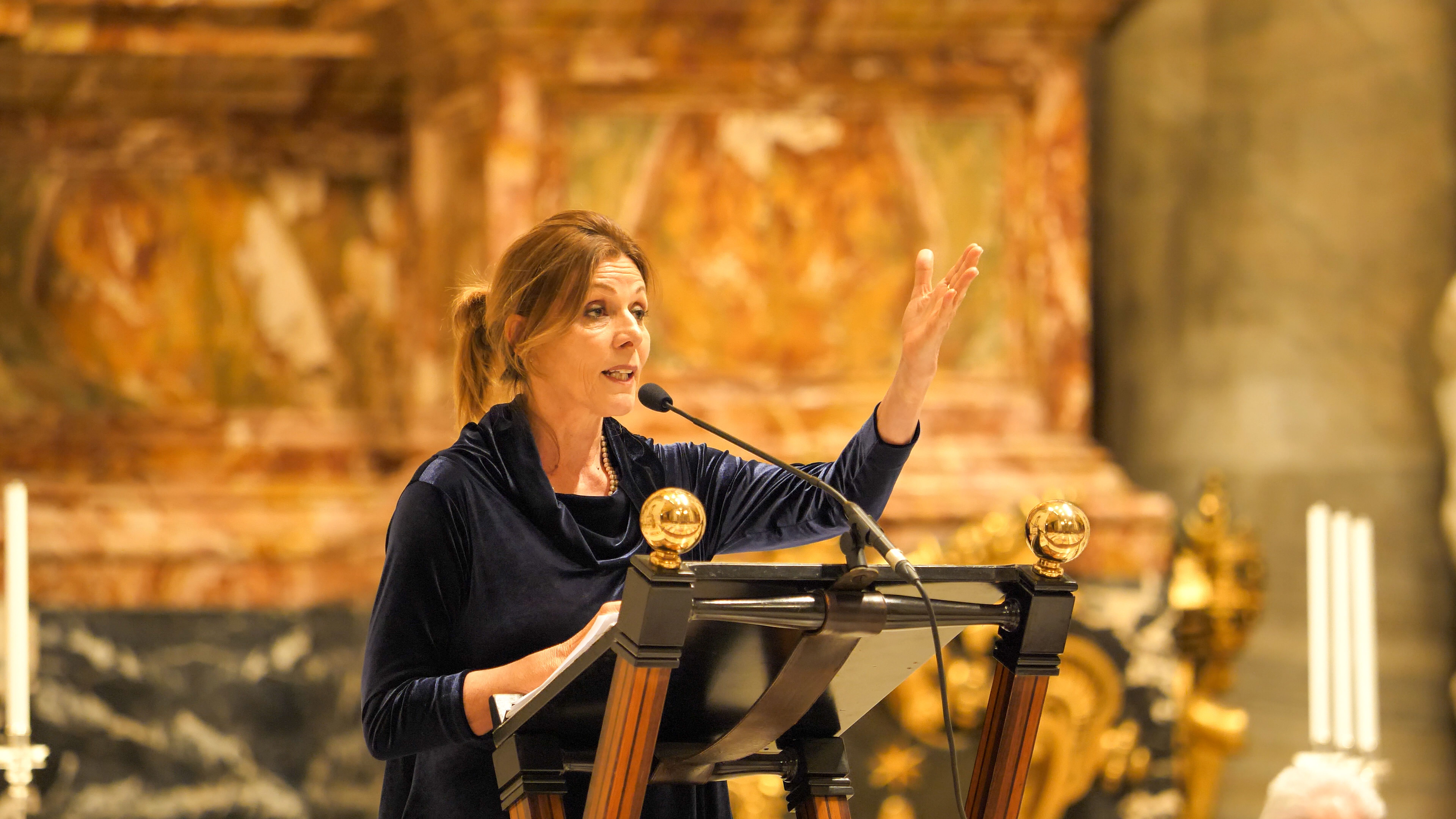
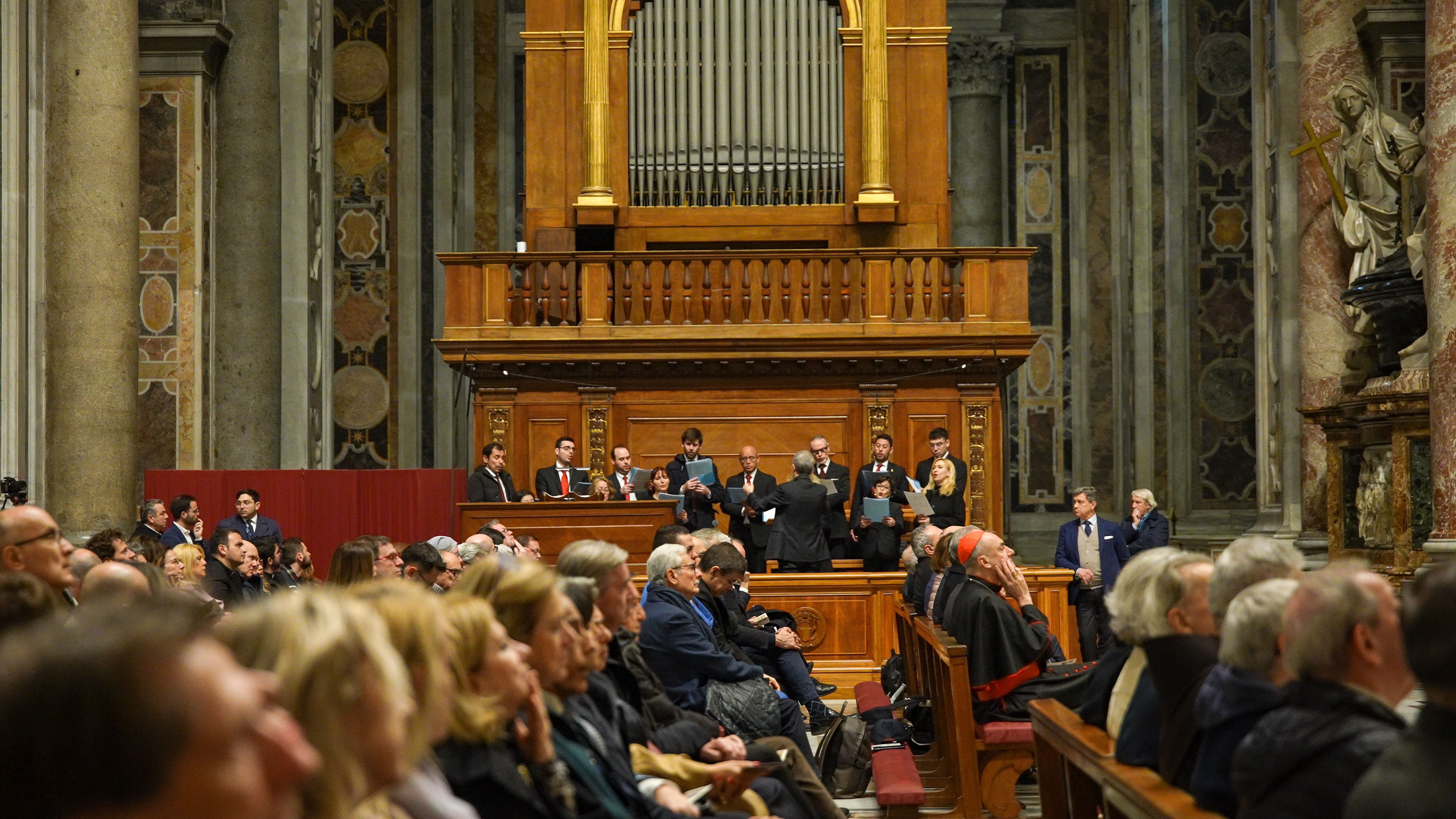
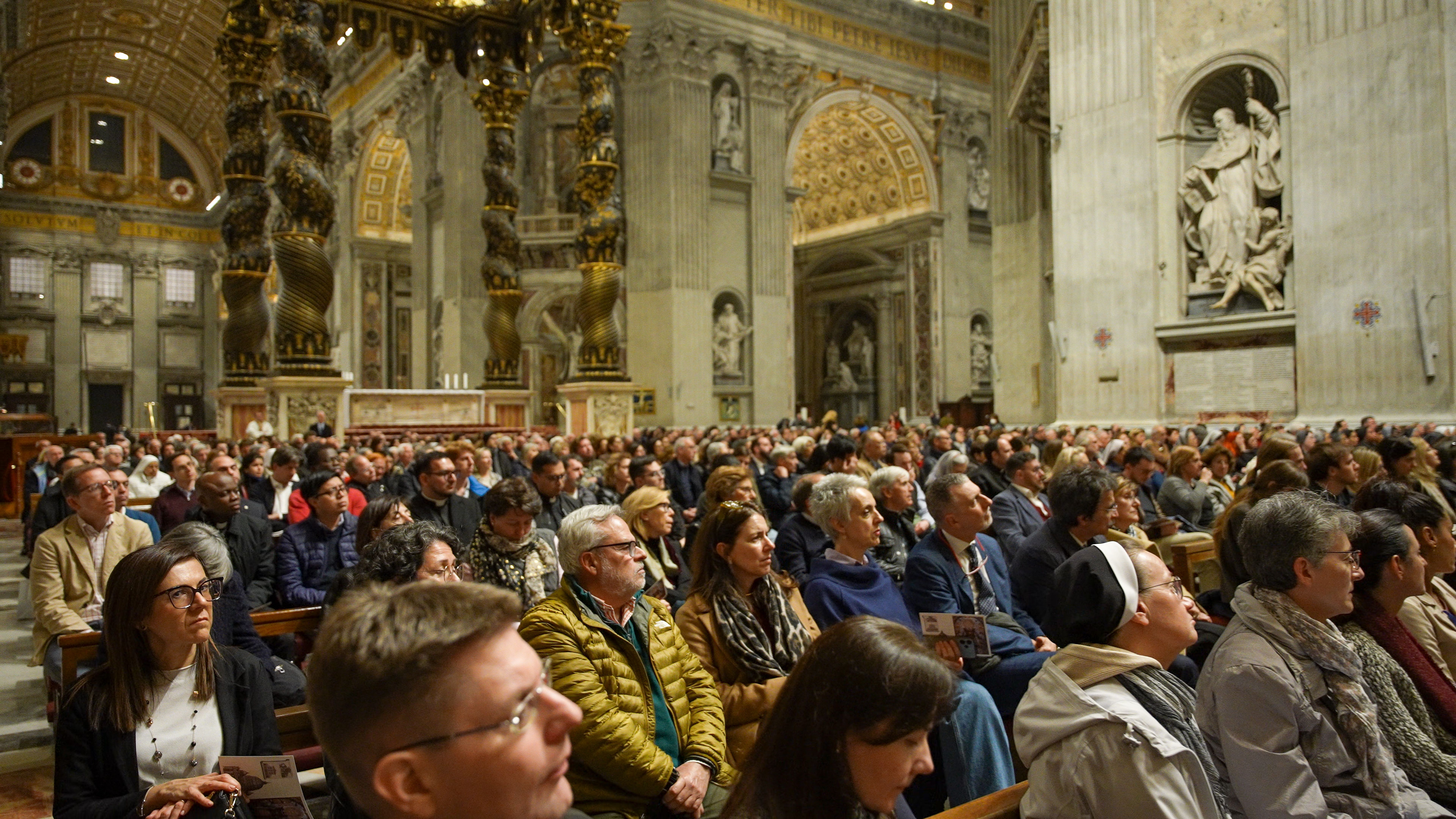
From 1626 to 2026. Four centuries of history, art and spirituality continue to live on in St. Peter’s Basilica, a place that preserves the memory of the Apostle Peter and still speaks to the whole world today. With the first of the three meetings promoted by the Fabbrica di San Pietro, the journey began that is intended to accompany the Fourth Centenary of the Dedication of the Vatican Basilica, rereading its meaning in light of its deepest identity. The first event, held on Tuesday 24 March, brought together archaeologist Pietro Zander, architect Vitale Zanchettin, and Barbara Jatta, Director of the Vatican Museums, who were invited to reflect on the architectural and artistic heritage of the largest church in Christianity.
Opening the meeting was Msgr. Orazio Pepe, Secretary of the Fabbrica di San Pietro, who recalled the spiritual value of a place visited every year by millions of people. St. Peter’s, he noted, continues to draw women and men from all over the world because here people seek something that goes beyond a merely aesthetic or cultural experience: they seek the roots of faith, they seek eternity.
A Basilica Born to Welcome
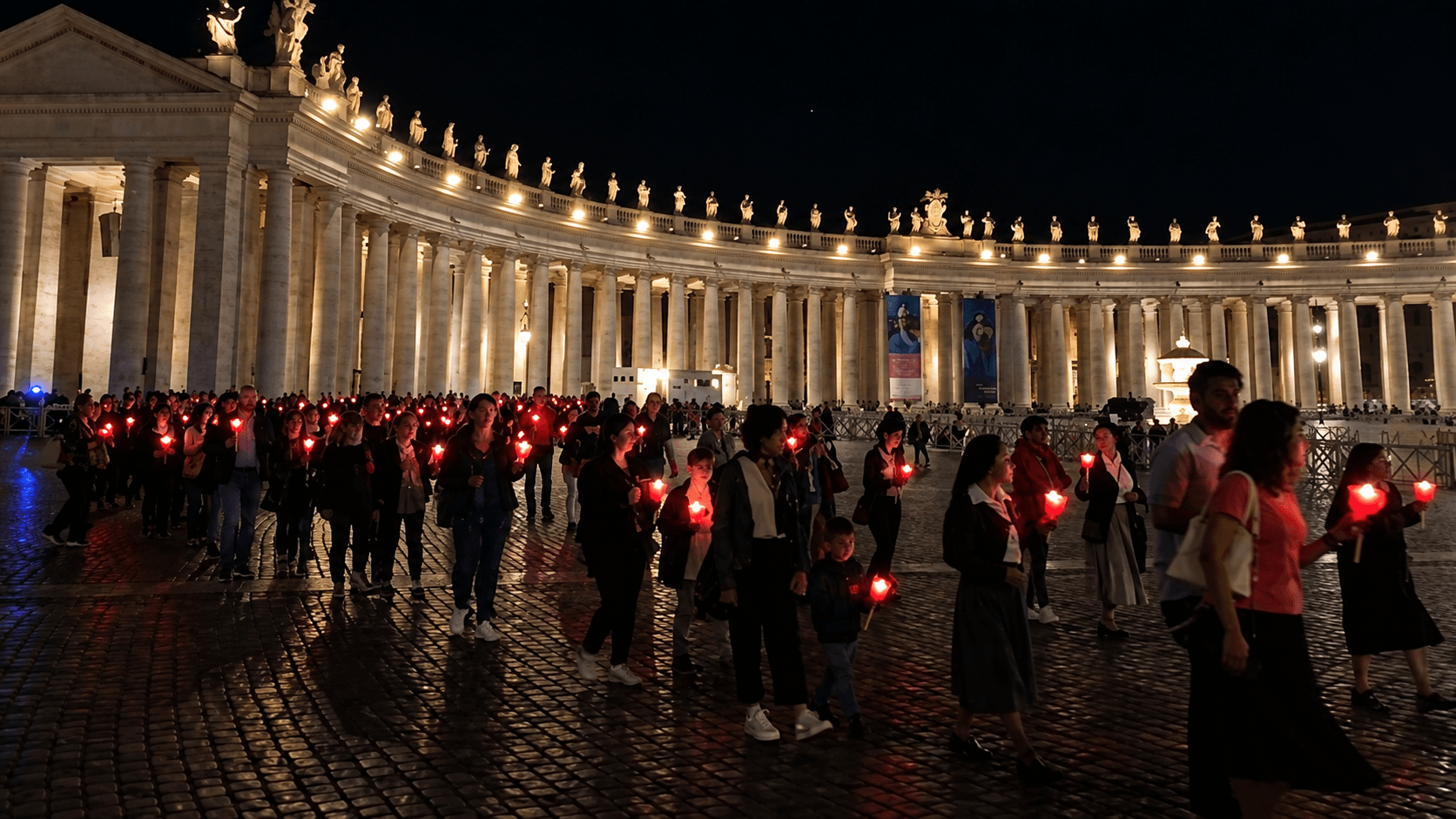
Another central theme of the first meeting was hospitality, inscribed in the very form of the Basilica. Pietro Zander recalled that St. Peter’s was built on a grand scale because it was meant to welcome everyone: not only Christians, but every person in search. It is not only the embrace of Bernini’s colonnade, therefore, but also the vastness of the building itself that expresses this universal vocation.
The archaeologist also recalled the historical depth of the anniversary to be celebrated in 2026. Alongside the four hundred years since the dedication of the new Basilica, one may also look back to the ancient Constantinian basilica, built in the fourth century and perhaps consecrated in 326. Yet beneath every architectural development and every historical transformation lies the original core of it all: the tomb of St. Peter, the place of his martyrdom and burial. It is from this foundational memory that the Basilica draws its deepest truth.
The Strength of Matter Against the Age of the Image
Vitale Zanchettin then reflected on the value of the Basilica’s material solidity. Entering St. Peter’s, he observed, almost instinctively prompts one gesture: to raise one’s eyes and look around. It is a reaction that spans ages, cultures and different backgrounds, a sign that this place retains a unique ability to speak to contemporary humanity. In an age dominated by virtual images and an often fragile relationship with reality, the Basilica asserts itself as a concrete presence, a “truth in stone”.
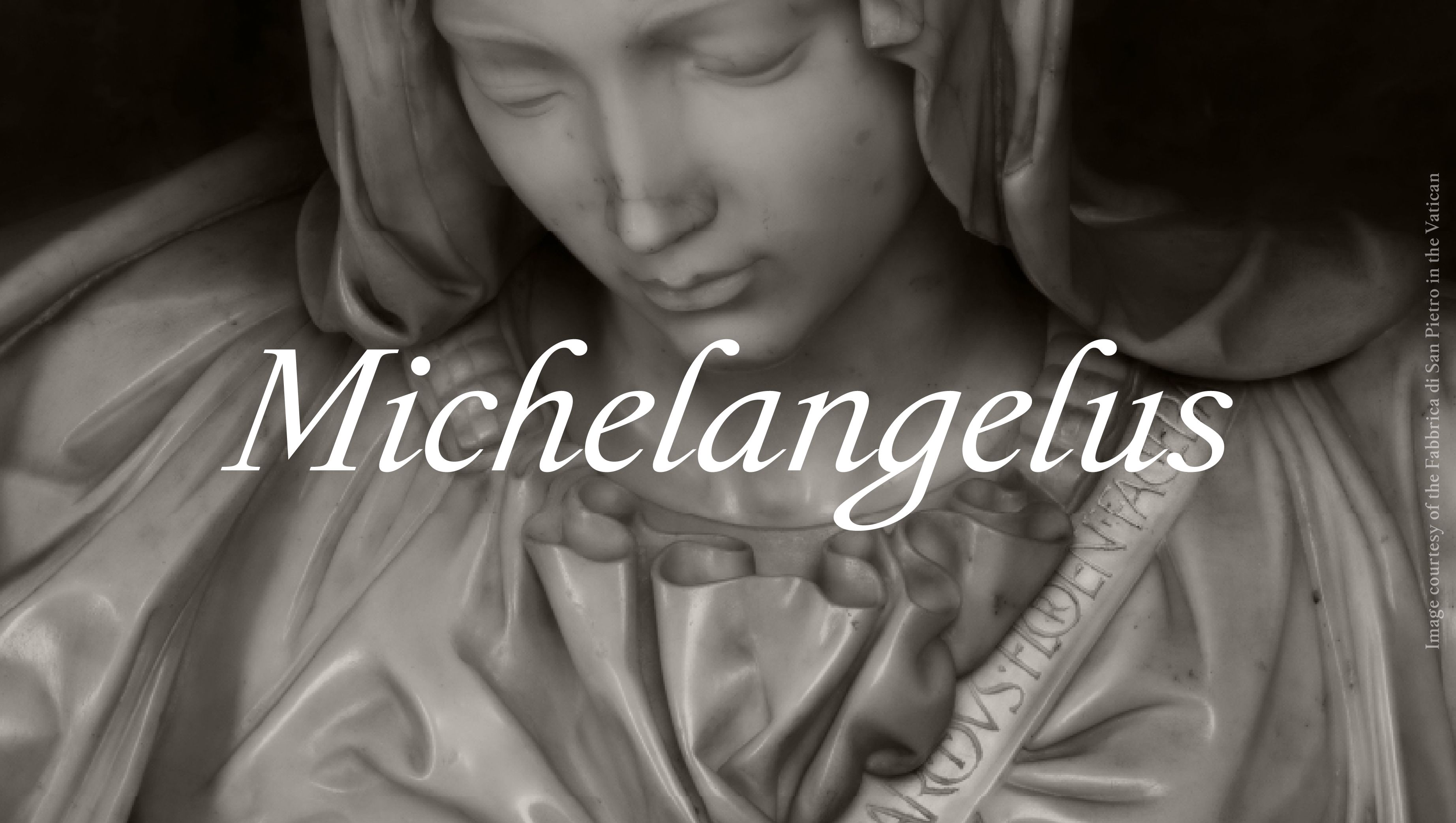
Zanchettin then retraced a decisive phase in the construction history of St. Peter’s, recalling the expansion desired by Julius II and the subsequent transformations of the project, up to Michelangelo’s intervention, through which he restored unity and monumental force to the building. Although immense and universally known, the Basilica still preserves a meaning that can never be fully exhausted: it remains boundless not only in its dimensions, but also in its capacity to question those who contemplate it.
The Splendour Revealed in the Details
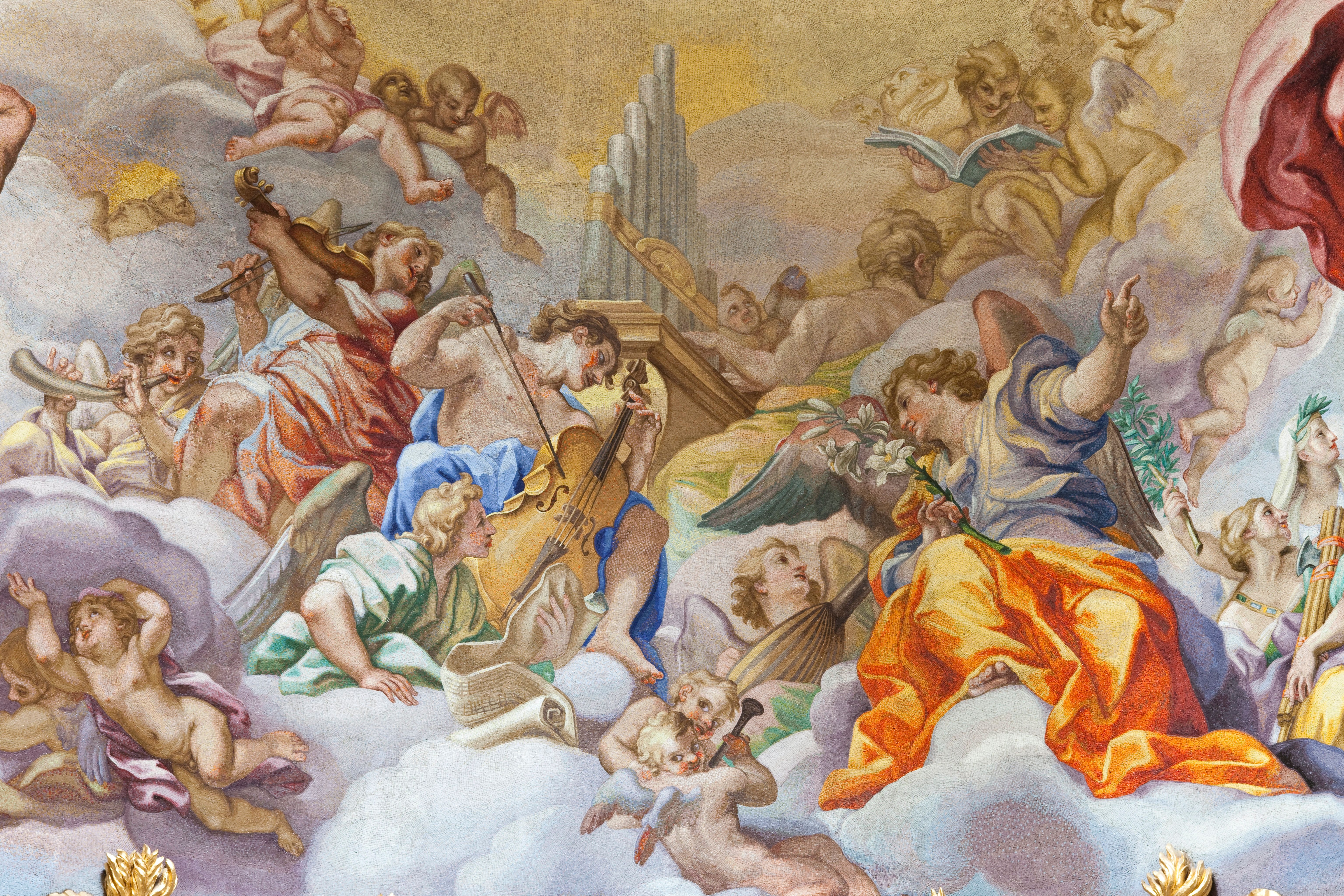
Another aspect that emerged during the evening was the care for detail, a distinctive hallmark of the Vatican Basilica. Barbara Jatta invited those present, as it were, to look around and see how the greatness of St. Peter’s lies not only in the monumentality of its spaces, but also in the minute texture of decorations, ornaments, stuccoes, gilding and mosaics that express its spiritual vocation. It is precisely in these details that the devotion which, over the centuries, has accompanied the building and adornment of the Basilica becomes visible. In this sense, art is not merely decorative embellishment, but a living instrument of evangelization.
Recalling the great figures who shaped the history of the Basilica, from Michelangelo to Bernini, Jatta underlined how everything in St. Peter’s was conceived with a sense of endurance, almost with the desire to entrust to stone, colour and light something capable of enduring through the centuries. It is in this tension between beauty and permanence that the Basilica continues, even today, to speak to visitors and the faithful.







Copyright © 2026 Basilica Papale di San Pietro - Photos: © Fabbrica di San Pietro e Vatican Media - All Rights Reserved.